
The Unknown Daughter of Pharaoh
In my series of discussions concerning Queen Sobekneferu. The author realized that history remembers kings, conquerors, and dynasties. Their names are carved into stone, written into papyri, and whispered across millennia. But just beyond the reach of royal propaganda often stand figures obscured by silence:
Shadowed heirs
Forgotten daughters
And even rivals
whose existence threatened the fragile balance of power in the ancient Nile Valley.
Among these figures is one especially intriguing: the Unknown Daughter of Pharaoh, whose story is not just about lineage but about blood feuds, political betrayal, and the unlikely rise of a common-born prince who would seize the throne against all odds.
To the writer, this is a story of how families became battlegrounds, how women both upheld and challenged dynasties, and how ambition reshaped the destiny of Egypt. It is also a reminder that behind every coronation lies the smoke of intrigue — and often, the silence of those erased.
The Fragile House of Pharaoh
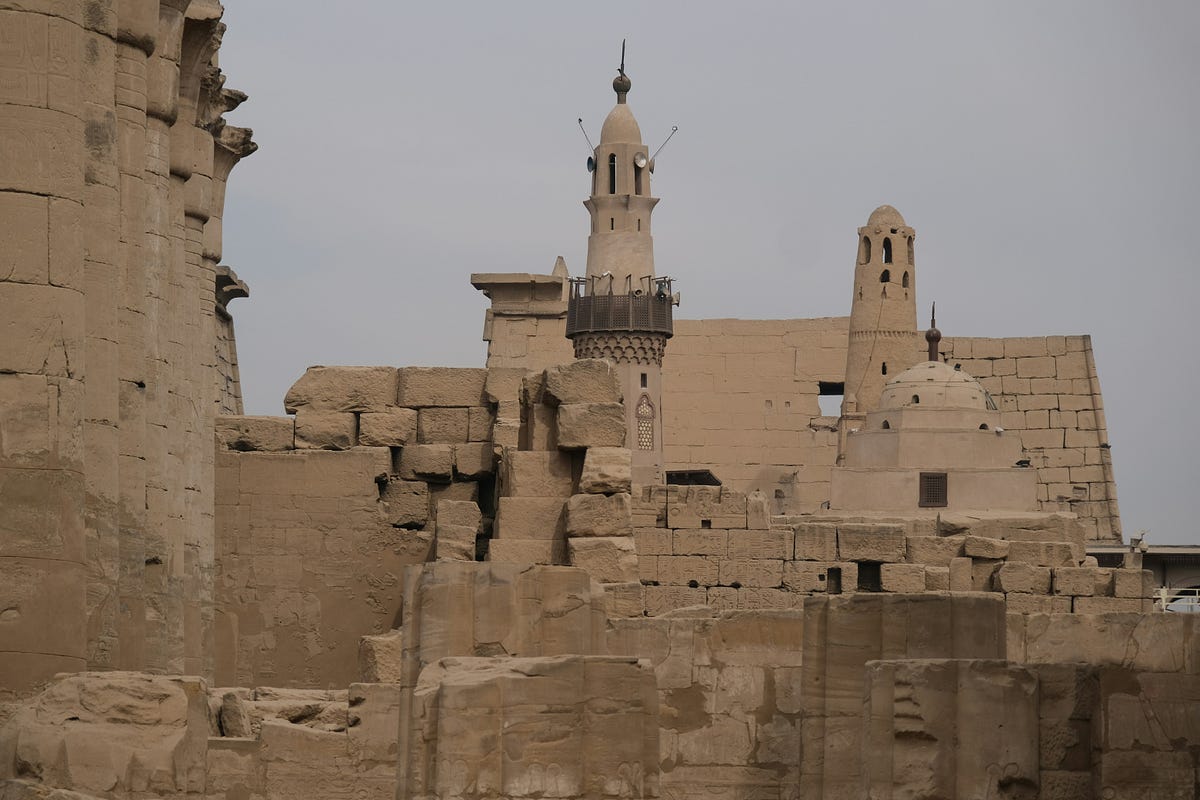
The grandeur of ancient Egypt was built on stability. Pharaohs were not simply rulers; they were gods walking the earth, embodiments of Horus, and custodians of Ma’at — the divine order of the universe. To question the Pharaoh’s legitimacy was to question cosmic harmony itself.
And yet, dynastic Egypt was plagued by an internal contradiction. The throne had to be both divinely ordained and politically secured. This tension produced bloody rivalries, as succession was rarely smooth. While Egypt valued hereditary kingship, there was often no fixed law of primogeniture. Sons of royal wives, daughters of high queens, half-siblings, and even ambitious commoners could stake a claim to the crown.
Royal daughters were particularly pivotal. Unlike Greece or Rome, Egypt allowed women to rule — and queens like Sobekneferu, Hatshepsut, and Cleopatra VII proved formidable in their own right. But even when women did not reign outright, their marriages determined legitimacy. A daughter of Pharaoh could confer kingship upon her husband or son. To marry her was to seize the bloodline. To ignore her was to risk rebellion.
The Unknown Daughter, then, stands at this critical intersection of gender, blood, and power. She embodied both the vulnerability of being expendable and the immense influence of being Pharaoh’s flesh and blood.

Blood Feud: The House Divided
Egyptian history is riddled with examples of dynastic blood feuds. When power rested on both divine sanction and fragile family ties, even the smallest dispute could spiral into decades-long struggles.
Consider the First Intermediate Period (c. 2181–2055 BCE), when rival dynasties in Herakleopolis and Thebes waged wars not only with armies but also through marriages, assassinations, and claims of divine legitimacy. Or the Amarna period (14th century BCE), when Akhenaten’s religious revolution shattered tradition, sparking a succession crisis that drew in queens like Nefertiti and shadowy daughters like Meketaten and Ankhesenamun.
The Unknown Daughter’s story, preserved in fragments of legend and veiled references, mirrors this recurring pattern. She was born into a household of power, but her very existence threatened entrenched factions. Her blood connected her to the throne, but her gender — and the ambitions of others — turned her into a pawn.
Her fate became bound to a blood feud between rival heirs and courtiers. Some accounts suggest that her very survival would have ensured continuity of Pharaoh’s true line, while others imply she was deliberately erased to pave the way for a more politically convenient candidate.

The Common Prince
Against this backdrop emerges the figure of the Common Prince. His rise is extraordinary precisely because Egypt was a civilization that valued royal blood above all. For someone of common birth to ascend the throne meant one of two things:
Marriage into the royal line — most likely through a daughter of Pharaoh.
Force and opportunism — seizing the throne during crisis or collapse.
The story of the Common Prince fuses both. Tradition suggests he had no legitimate claim by birth. But his union — perhaps forced, perhaps negotiated — with the Unknown Daughter of Pharaoh gave him the legal right to present himself as divine ruler.
Here is where the story transforms. The daughter, whose name is lost, becomes the bridge between worlds: between the sacred and the profane, the royal and the common, the divine and the mortal. Through her, the bloodline was both preserved and corrupted. Through her, Egypt’s throne passed from ancient dynasties into the hands of an outsider.
The Silence of the Daughter
Overtime, the writer asked the question.
Why is she unknown?
Why do records erase her?
Egypt was masterful at rewriting history. Pharaohs routinely destroyed the names of rivals from monuments, usurped temples, and inscribed their victories while concealing defeats. Queens, in particular, were often silenced. Hatshepsut’s name was chiseled out by her successors. Nefertiti nearly disappeared from memory. Ankhesenamun was swallowed by the politics of Tutankhamun’s court.
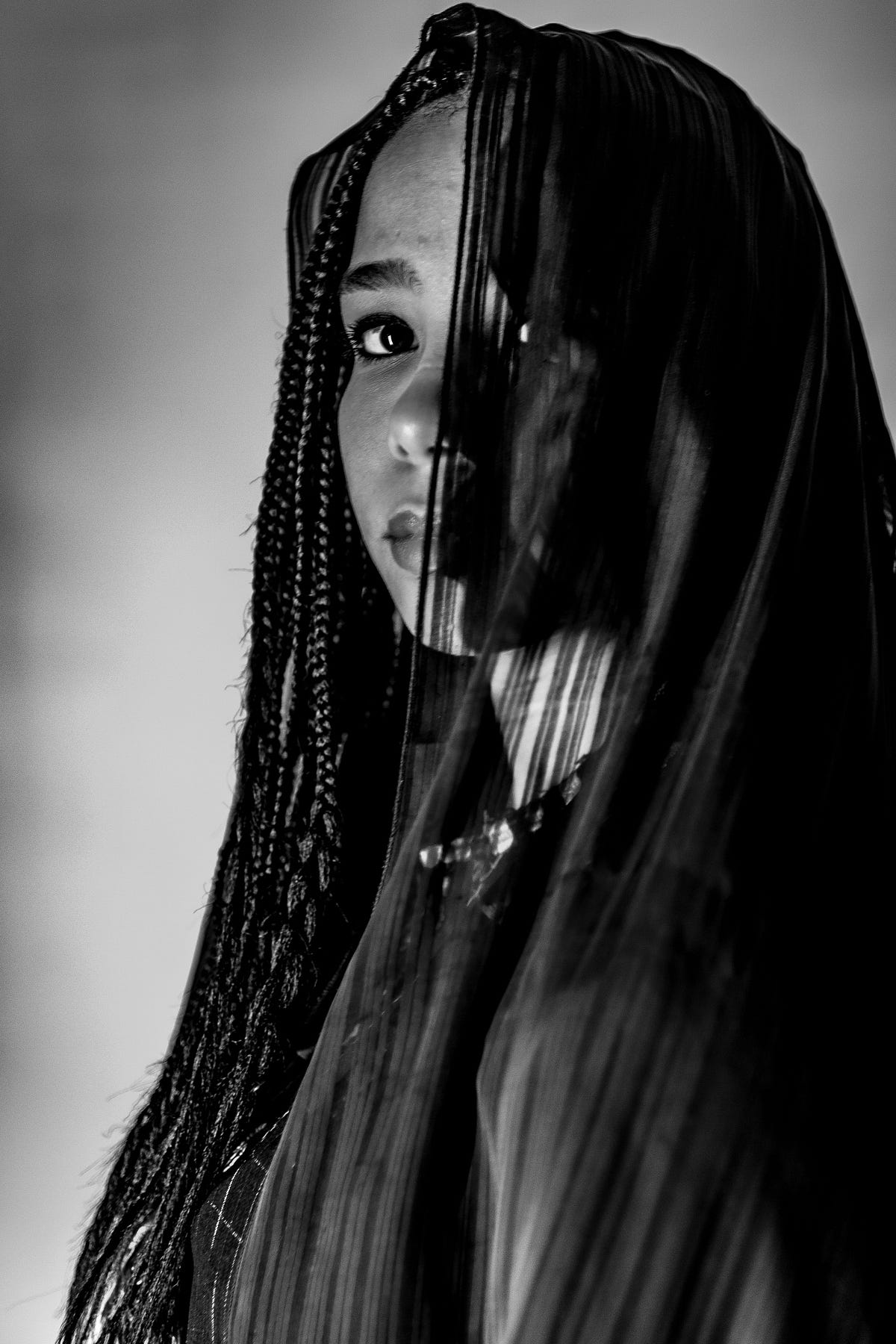
The Unknown Daughter’s silence, then, is not absence but deliberate erasure. Her existence was too dangerous to acknowledge. To remember her was to admit that the throne passed through her — and that the Common Prince’s rule rested on her body, not on divine birthright.
The Rise of the Outsider
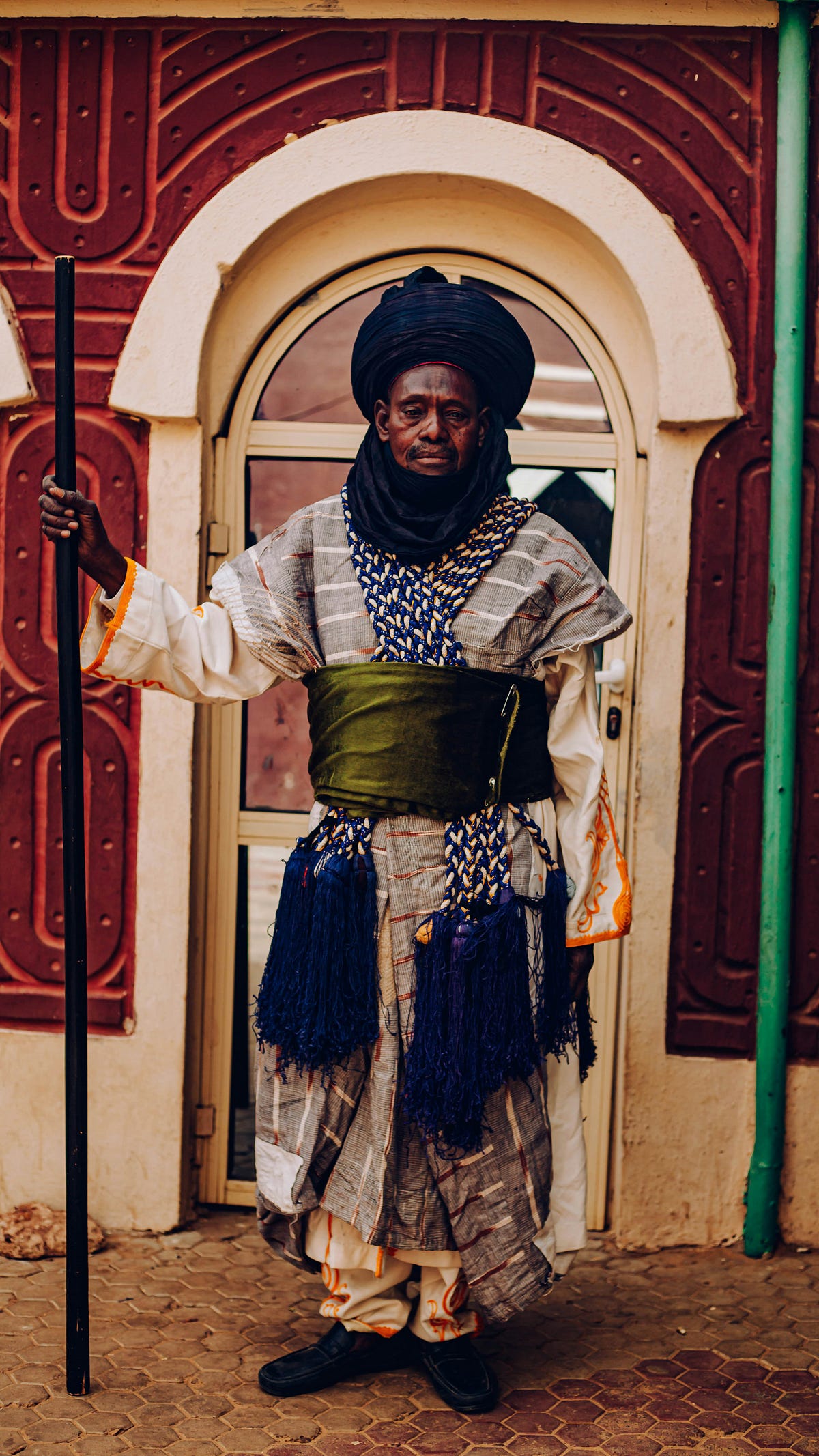
The Common Prince’s reign marked a turning point. He embodied a contradiction: a king without sacred ancestry, yet cloaked in the aura of kingship through marriage and victory. His propaganda would have rewritten his origins, presenting him as chosen by the gods, perhaps even portraying him as a restorer of order after chaos.
And yet, whispers of his true origin persisted. For the priesthood, his rise was both opportunity and threat. By controlling him, they could expand their own influence. By undermining him, they could reassert the need for dynastic purity.
This tension echoes throughout Egyptian history. Later dynasties, including the Libyan and Nubian pharaohs, would face similar accusations of being “outsiders” who used marriage and force to legitimize their thrones. The Common Prince’s story, then, was not an anomaly but a prototype for Egypt’s future struggles.

Legacy and Myth
Though her name is forgotten, the Unknown Daughter of Pharaoh lingers in myth. In some traditions, she becomes a tragic figure — the royal woman whose fate was to bridge the gap between dynasty and usurper. In others, she is reimagined as a silent conspirator, choosing alliance with the Common Prince over loyalty to her house.
Her anonymity itself is symbolic. She represents all the erased women of history, those whose bodies carried dynasties but whose voices were silenced.
The Common Prince, meanwhile, lives on in the archetype of the outsider king. His rise prefigures countless later tales — from biblical Joseph and Moses to African epics of commoners who became kings. He is a reminder that legitimacy is not fixed; it is constructed, contested, and rewritten by those who survive.
Conclusion: The Hidden Code of Power
The tale of the Unknown Daughter of Pharaoh and the Common Prince is more than a dynastic anecdote. It is a lens through which we can understand the hidden code of power in ancient civilizations:
Bloodlines were sacred, but fragile.
Women were both central and silenced.
Outsiders could rise — but only through marriage, war, or mythmaking.
History is less about what happened than about who controlled the story.
Her name may be lost, but her role cannot be erased. Without her, the Common Prince could never have risen. Without her, a dynasty may have survived unbroken.
In the end, the Unknown Daughter is not just forgotten royalty. She is the unspoken architect of an entire shift in Egyptian power — a ghost haunting the throne, a silence louder than memory.
Talk to you later.
🎧 Listen to the Full Episode
📺 Watch on YouTube
About the King Cam’s Ujumbe Podcast
The Podcast, hosted by King Cam (Marques D. Cameron Sr.), explores the hidden histories, spiritual traditions, and mystical wisdom of ancient Africa. Each episode uncovers forgotten knowledge and empowers listeners to connect with their ancestral heritage.
Check out these books and gifts on Amazon!
Thanks for reading! As an Amazon Associate, I get a small commission for each purchase you make after you click on my link and you shop, but it doesn’t cost you anything extra. Please use my links below!
Reveals the achievements of Sobekneferu, the political and religious issues of her age, the temples and ruins…amzn.to
In this landmark volume, one of the world's most renowned Egyptologists tells the epic story of this great…amzn.to
Interested in exploring the depths of history, education, or religion through engaging articles? I’d love to contribute my expertise as a freelance writer.
Feel free to reach out at kingcamujumbe@gmail.com for collaborations or inquiries. Let’s create something impactful together!


