
The Lost Kingdom of Faiyum
In one of my discussions concerning Queen Sobekneferu, I forgot to discuss as to the place she and her ancestors were from. Tucked within the folds of ancient Egypt’s grandeur lies a region often overshadowed by Thebes and Memphis is the mysterious, fertile basin known as Faiyum. Known in ancient times as Shadet, this region was not merely a provincial outpost. It was a political, religious, and agricultural powerhouse. Shadet is the home to divine crocodiles, underground texts, and a queen who dared to rule as Pharaoh.
In my podcast, we explored the untold legacy of Faiyum, its sacred mysteries, and the fierce priesthood that held power behind the throne. What follows is a journey into Egypt’s hidden engine room, where water, power, and prophecy collided. Let’s get in to it.
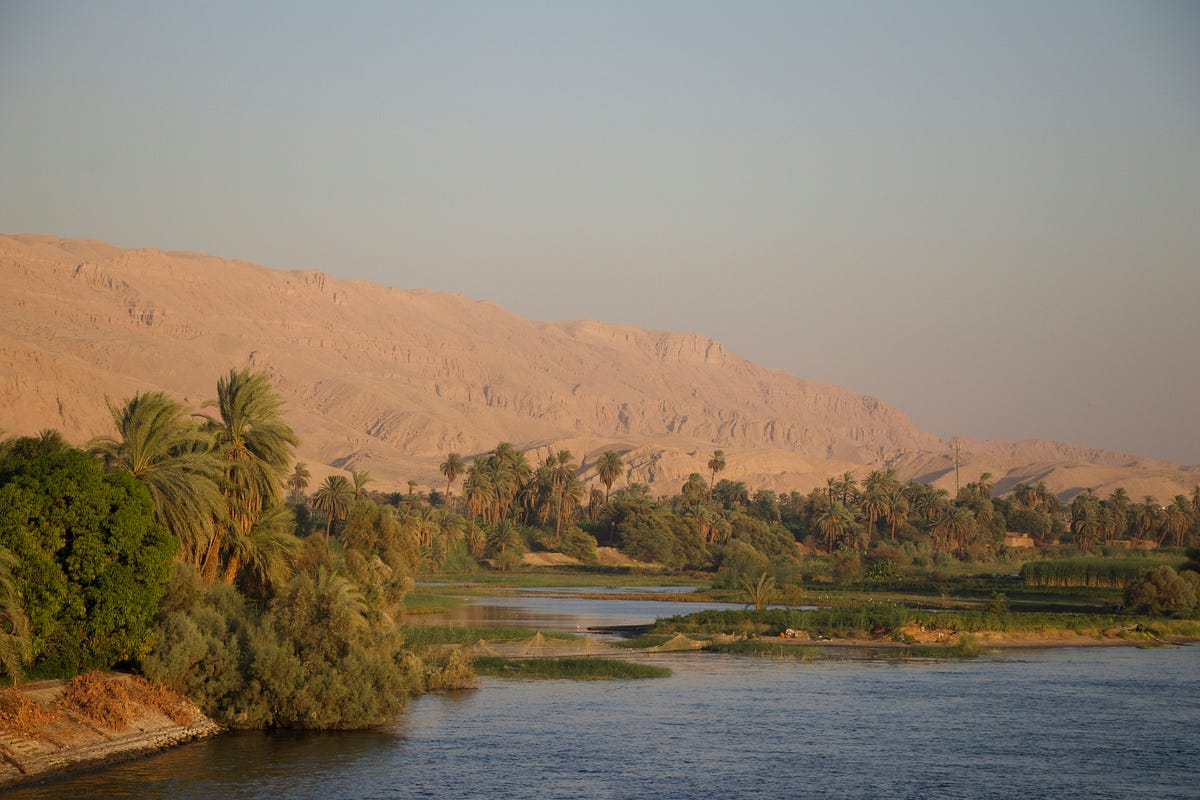
Faiyum: A Fertile Cradle of Civilization
Faiyum, nourished by the Bahur Yussef Canal, was once an abundant green corridor branching from the Nile. But here’s something mind-blowing: the region was also once connected to a forgotten tributary known as the Yellow Nile, stretching west toward modern-day Chad. This placed Faiyum at a cultural and trade crossroads — linking the heart of Egypt with deeper Africa.
By 5500 BCE, human settlements were thriving here. The people of early Faiyum were among Egypt’s first farmers, potters, and basket weavers. Their innovative water systems and community planning laid the foundation for the powerful, structured society that would follow.
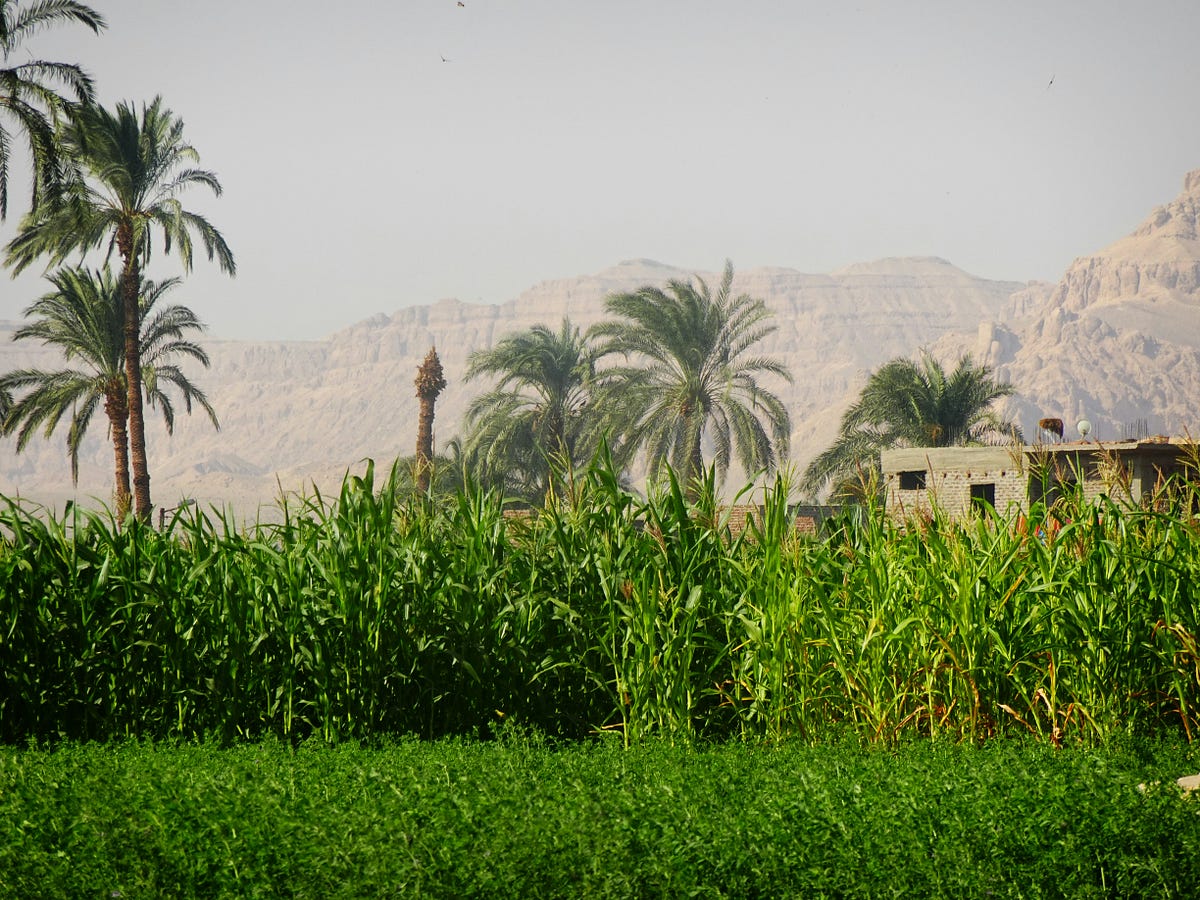
Shadet: The City of Sobek and Secret Power
At the heart of Faiyum lay Shadet (later called Shedet, then known by the Greeks as Crocodilopolis), a city that became both a spiritual and administrative capital. Its patron deity? Sobek, the crocodile god of strength, fertility, and protection. The city was adorned with temples and sanctuaries, where priests not only bred sacred crocodiles but interpreted omens that could determine political decisions.
This is about religion and power! The priests of Sobek wielded immense influence. They had their own canonical text, known as the Book of Faiyum ( I did not know about this!), which chronicled esoteric teachings, sacred cosmology, and possibly even state secrets. This book gave the region theological independence, and its priests were not afraid to assert it. Even when it clashed with the more dominant priesthoods of Ptah in Memphis and Amun in Thebes.
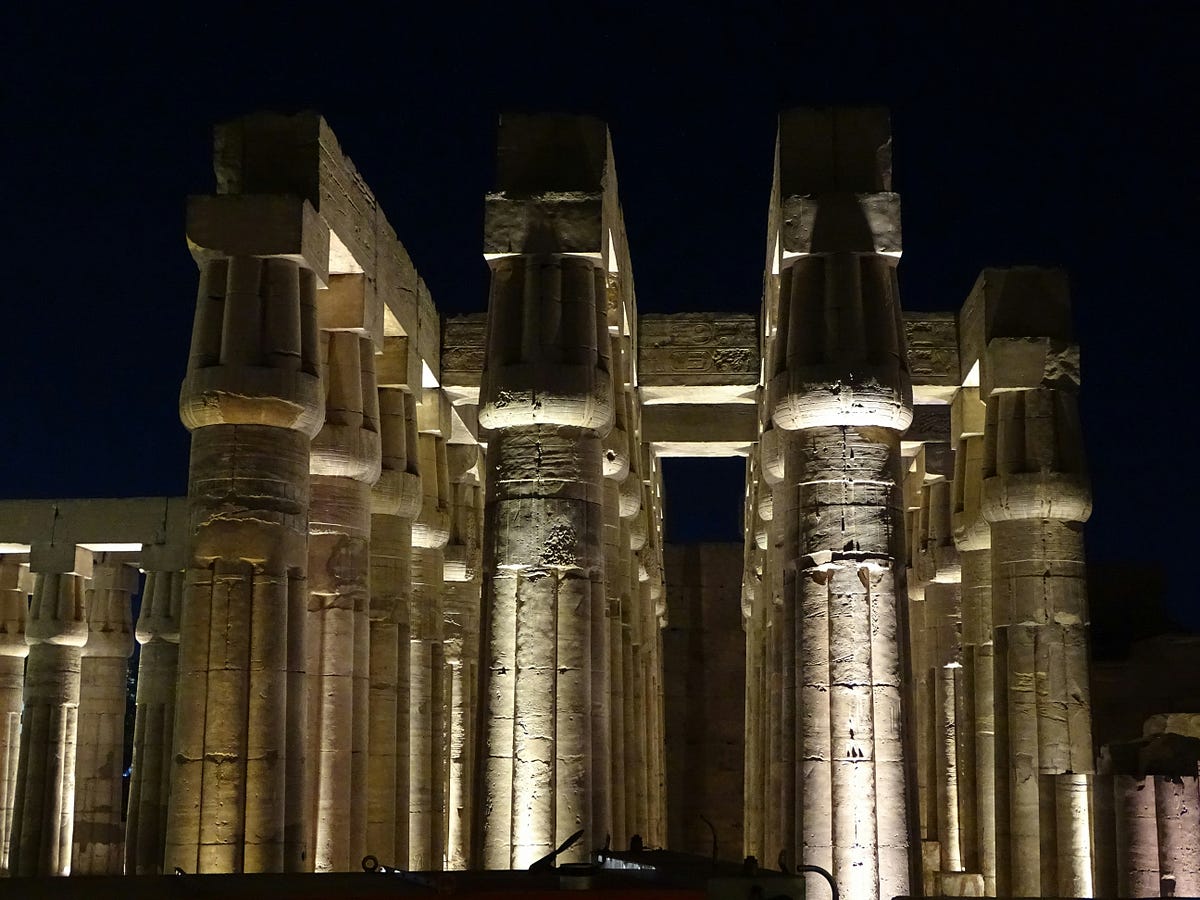
Strategic Alliances and Friction with Memphis
Though Faiyum may seem remote, it was deeply intertwined with Egypt’s core. According to scholars, it is a strategic location near Memphis. It is the capital of Lower Egypt. It made it a vital supplier of grain and labor. The royal court in Memphis depended on Faiyum’s agricultural surplus, and pharaohs cemented this alliance by appointing officials to oversee taxation, irrigation, and military affairs in the region.
But tensions simmered beneath the surface. Faiyum’s nomarchs or regional governors who would often resist orders from distant rulers, and rival priesthoods clashed over temple wealth, sacred authority, and influence over the throne. The result? A slow-boiling rivalry that would, at times, erupt into open defiance.
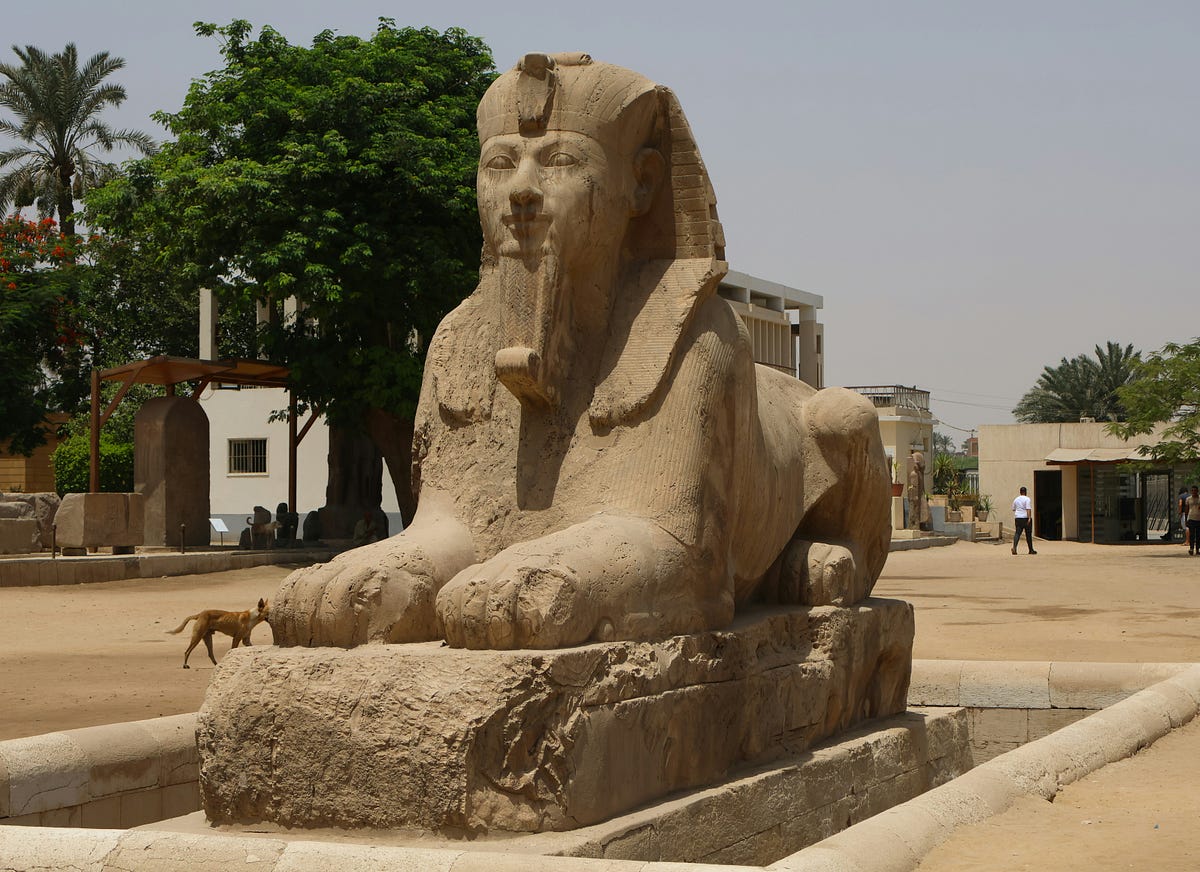
The Rise of Sobenkeferu: The First Female Pharaoh
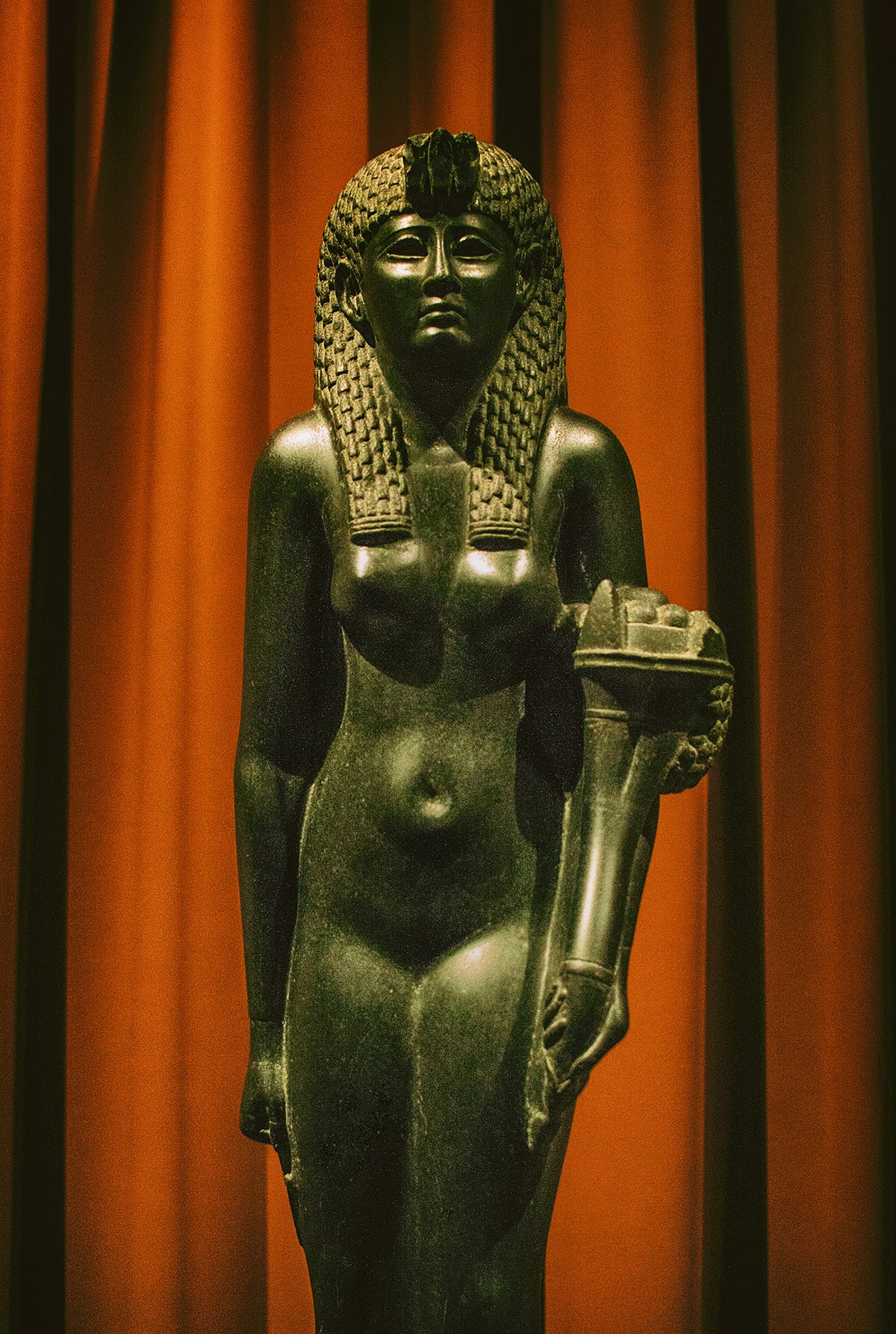
Amidst this landscape of priestly power and agricultural might emerged a ruler from Faiyum whose legacy is only now being fully appreciated Sobekneferu, the first confirmed female pharaoh of ancient Egypt.
Unlike later queens such as Cleopatra or Hatshepsut, Sbec Nefaru was born into the elite religious-political complex of Shadet. Her rule lasted only about three and a half years, but it marked a pivotal shift. She expanded the region’s temples, reinforced the worship of Sobek, and legitimized her reign with a royal title:
Sema Tawy — “Established of Crowns”
This was a political and spiritual declaration which, in my opinion, changed Kemet forever. She was the Pharaoh, the living Horus in a time of uncertainty.
The Book of Faiyum: Hidden Wisdom and Dangerous Knowledge
One of the most tantalizing revelations from the episode is the existence of the Book of Faiyum, a rare and mystical text referenced in Kemetic tradition. Unlike the more famous Book of the Dead or Book of Gates, the Book of Faiyum is regionally specific, centered around Sobek and the unique cosmology of the area.
This book may have allowed the Sobek priesthood to operate semi-independently from other religious centers. With sacred rites, prophetic powers, and their own theological framework, the Faiyum priests were kingmakers, and sometimes, king-breakers. This would lead to friction amoung the various priesthoods of Kemet.
Conflict, Collapse, and Legacy
Despite its prosperity, Faiyum was not immune to chaos. During the Second Intermediate Period, the region faced threats from the Hyksos, an invading dynasty from the East. Later, during the Ptolemaic and Roman periods, Faiyum became a contested zone, caught between native resistance and foreign rule.
Internal rebellions by powerful nomarchs also challenged the authority of the central state, especially during times of dynastic weakness. But these same moments helped birth new dynasties, like the 18th Dynasty, which emerged after internal resets and external turmoil.
Reflections: A Kingdom Between Worlds
Faiyum represents more than a regional footnote — it is a mirror reflecting the deeper soul of ancient Egypt. A place where religion, agriculture, and rebellion danced together under the desert sun. Where priestesses and pharaohs emerged from crocodile sanctuaries to challenge the old order.
And where a queen, crowned in both name and spirit, left behind a legacy that defied gender, geography, and time.
Conclusion
If ancient Egypt was a divine tapestry, then Faiyum was one of its richest and most complex threads. From waterways to sacred scrolls, from crocodile cults to political intrigue, this hidden kingdom deserves a place in our modern memory.
So the next time you think of the Nile Valley, remember the green-blooded basin of Faiyum, and the queen who rose from ancient soil.
Talk to you later.
🎧 Listen to the full episode:
📺 The Lost Kingdom of Faiyum: Ancient Egypt’s Hidden Power Struggles & Forgotten Rulers (Podcast)
Check out these books and gifts on Amazon!
Thanks for reading! As an Amazon Associate, I get a small commission for each purchase you make after you click on my link and you shop, but it doesn’t cost you anything extra. Please use my links below!
Reveals the achievements of Sobekneferu, the political and religious issues of her age, the temples and ruins…amzn.to
Sobekneferu - The Crocodile Queen: Pioneer of the Throne and Egypt's First Female Pharaoh | Queens of Ancient Egypt…amzn.to
Interested in exploring the depths of history, education, or religion through engaging articles? I’d love to contribute my expertise as a freelance writer.
Feel free to reach out at kingcamujumbe@gmail.com for collaborations or inquiries. Let’s create something impactful together!


No comments:
Post a Comment