
The Ancient Mother of Crocodiles
Entering the Labyrinth of Memory
In my opinion, there are stories in history that refuse to stay buried. They emerge like echoes through the halls of forgotten temples, inscribed not on stone but in the collective imagination of a people. One such story is that of the Ancient Mother of Crocodiles — a figure caught between myth and history, between vengeance and ritual, between human queen and divine archetype.
This tale, as unraveled in my podcast episode “The Ancient Mother of Crocodiles: Regicide, Rituals, and Revenge,” draws us deep into the overlapping worlds of Egyptian priestly records, Greek historical narratives, and the enduring myths of Africa’s sacred feminine power.
What begins as a curious mention in the works of Herodotus, “the father of history,” unfolds into a labyrinth of questions:
Who was this mysterious queen — Netocris, Nidorris, or Sobekneferu?
Why did her reign end in flames, ashes, or floods?
What does it mean that she is called the nurse of crocodiles?
And how do rituals of regicide and revenge reveal the precarious balance of power in ancient Kemet?
To answer these, we must journey through history, myth, and symbol, retracing the steps of those who sought to preserve power, avenge kin, and embody the sacred mother of a nation.

The Shadow of Reicide
At the heart of this narrative lies the mystery of regicide — the killing of a king.
According to the text examined in the podcast, Pharaoh Amenemhat IV’s death may not have been natural at all. Greek sources suggest it was an act of regicide, a violent end orchestrated by those closest to him. Unlike many tales preserved in the carefully managed annals of Egyptian scribes, this one comes filtered through outsiders: Greek historians who gathered their accounts from priests in Memphis long after the events.
This makes the story slippery — half history, half rumor. But within that uncertainty lies its power. Regicide was not just a political crime; in Kemet, it was a cosmic rupture. The Pharaoh was not merely a ruler — he was the earthly embodiment of divine order (Maat). To strike him down was to disrupt the balance of heaven and earth.
And yet, regicide appears again and again in Egyptian and African royal traditions, often cloaked in ritual. A king’s death could be framed not as murder, but as sacrifice — a renewal of power, a resetting of cosmic balance. The death of Amenemhat IV, seen through this lens, may not have been simply betrayal, but part of a larger cycle in which vengeance, ritual, and divine sanction were inseparable.
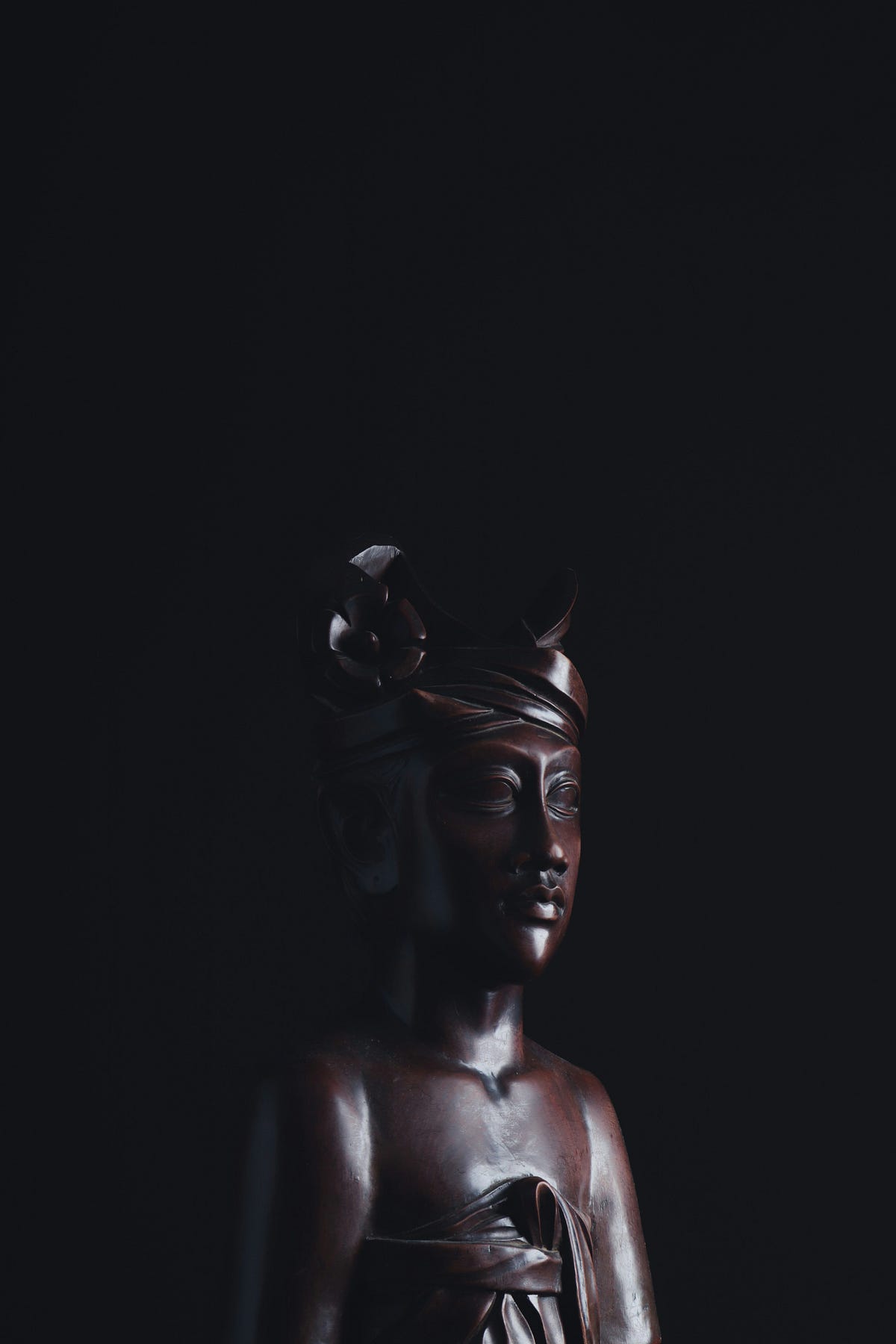
Enter Nitocris: Queen of Shadows
Into this fractured landscape steps Netocris — called Nidorris in some versions — a queen remembered more vividly by the Greeks than by her own people.
Herodotus, writing in the 5th century BCE, claims that she was Egypt’s first female Pharaoh. Though scholars today identify Sobekneferu (c. 1806–1802 BCE) as the first confirmed female ruler, the legend of Netocris endures, cloaked in mystery.
Her story, as told by the priests of Memphis to Herodotus, is one of vengeance and ritual fire. After her brother was murdered — by courtiers, rivals, or rebels — she ascended to the throne. To avenge him, she invited those responsible to a great feast in a hidden labyrinth. When the banquet reached its height, she opened the floodgates, drowning her brother’s killers in a tide of water and fire. Having exacted her revenge, she is said to have entered a chamber filled with hot ashes, immolating herself to escape retaliation.
This chilling tale has the qualities of myth: labyrinths, elemental vengeance, ritual death. And yet it is presented as history, a queen’s reign turned into allegory.
Her name itself, Herodotus notes, means Bringer of Victory. But her “victory” is strange — an act of vengeance that consumes not only her enemies, but herself.

Between Greeks and Egyptians
The tension between Greek and Egyptian sources is crucial. Herodotus may have recorded the story, but the priests of Memphis were the custodians of the memory.
They told him that:
- Only one queen ruled Egypt — Nitocris.
- Eighteen kings of Egypt were Ethiopian, reaffirming the deep southern origins of Kemet’s culture and power.
- Nitocris avenged her brother with a ritual slaughter, then perished in fire.
For the priests, the tale may have carried layers of meaning beyond the literal. It was not just about one queen, but about the fragility of dynasties, the power of women as avengers, and the dangers of internal betrayal.
The Greeks, however, translated these into their own idiom. Netocris became linked to Athena, the goddess of wisdom and war. Egyptian goddesses were reframed as “equivalents” of Greek deities, stripping them of their uniquely African context.
Here we see a pattern that still echoes today: African myths reinterpreted through foreign eyes, losing nuance but gaining a strange new afterlife.
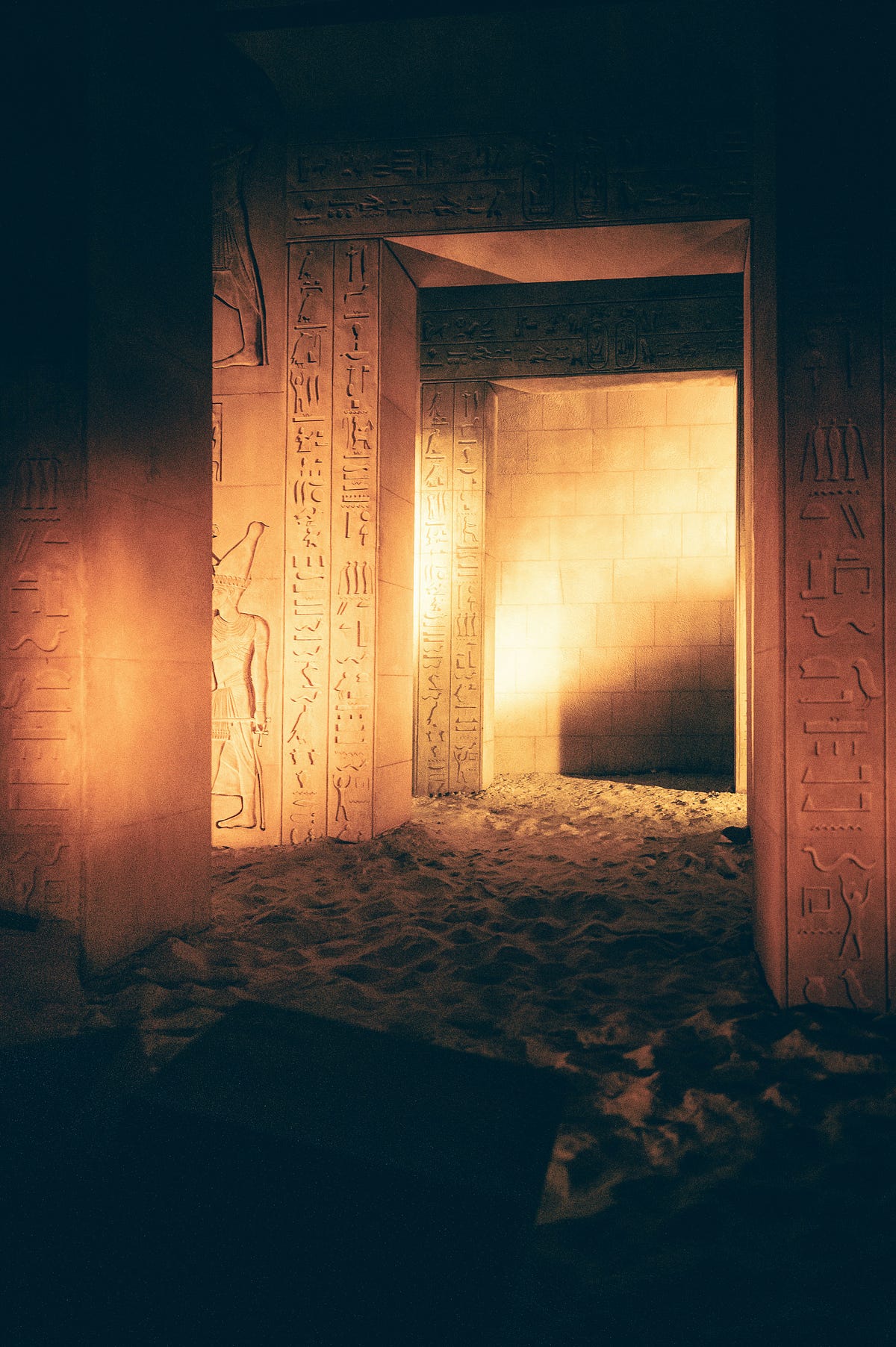
The Labyrinth and the Chamber of Ashes
Central to Netocris’s tale is the labyrinth, a massive construction of chambers above and below ground. Herodotus describes 3,000 rooms, half above, half below.
This labyrinth was said to be near the pyramid complex, possibly at Hawara. Its purpose remains debated: was it a palace, a mortuary temple, a ceremonial site? In Netocris’s story, it becomes a stage for vengeance — a place where ritual and architecture converge.
The chamber of ashes adds another layer of symbolism. Fire and ashes are purifying, destructive, and transformative. By entering the chamber voluntarily, Netocris may have enacted a ritual self-offering, ensuring her memory would linger not as a victim, but as a figure of terrible justice.
This imagery resonates with African traditions where rulers could not die ordinary deaths. Their passing had to be cloaked in ritual, even if it meant their destruction was rewritten as sacrifice.

Sobekneferu and the Crocodile Mother
The podcast draws a provocative link between Netocris and Sobekneferu, the last ruler of Egypt’s 12th Dynasty. Sobekneferu (meaning the beauty of Sobek) ruled around 1806–1802 BCE.
Unlike Netocris’s shadowy legend, Sobekneferu is historically attested. She claimed legitimacy through her father, Amenemhat III, and her devotion to the crocodile god Sobek.
Here the mother of crocodiles theme emerges. Sobek was often depicted as a male deity, but Sobekneferu’s link suggests a feminine counterpart: a goddess or queen depicted nursing a baby crocodile, titled nurse of crocodiles. This image combines nurturing and terror — life-giver and death-bringer.
In this sense, the “ancient mother of crocodiles” may not have been one queen at all, but a fusion of archetypes: Netocris the avenger, Sobekneferu the crocodile queen, and the primordial goddess Neith, who presided over the floodwaters and the dangerous fertility of the Nile.
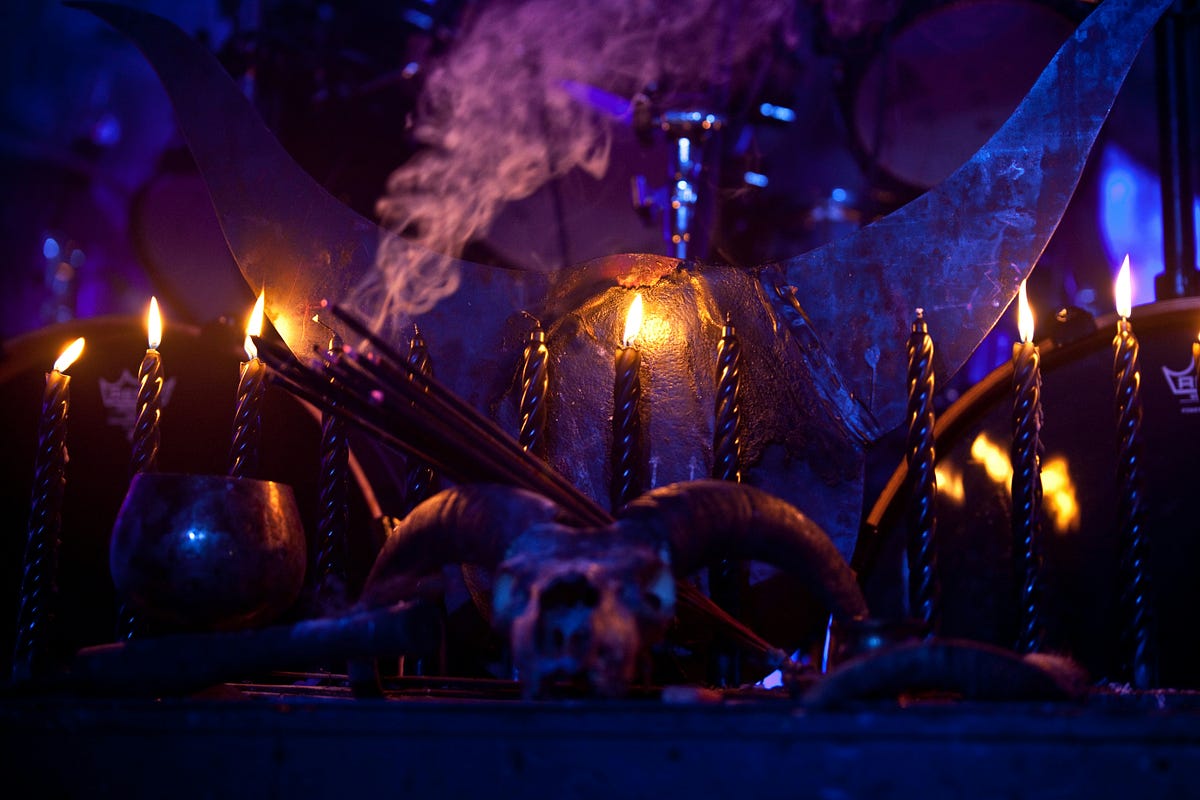
Ritual, Revenge, and Maat
The question is
Why did vengeance loom so large in these stories?
In Kemet, rulers were measured against Maat — the principle of cosmic balance, justice, and truth. When that balance was shattered — through regicide, rebellion, or betrayal — vengeance was not simply personal. It was cosmic restoration.
Netocris’s drowning of conspirators, or Sobekneferu’s alignment with the crocodile god, both speak to the idea that rulers wielded ritual violence as a sacred duty. To let traitors live would be to allow chaos (Isfet) to spread.
But vengeance was dangerous. In myth and in life, the avenger often shared the fate of those they punished. Netocris immolated herself; Sobekneferu’s dynasty collapsed after her reign. Vengeance may restore order for a moment, but it also leaves scars.

The Myth of the Secret Name
This reminded me of one of the most interesting digressions and that is the tale of Isis and Ra. In this myth, Isis heals the sun god Ra from a snakebite, but only after extracting his secret name — the key to ultimate power.
This story echoes the themes of Netocris: secrecy, ritual, and the deadly interplay between life and death. Just as Ra’s hidden name holds cosmic power, so too did the secret chambers of the labyrinth hold the fate of Netocris’s enemies.
It is no accident that Cleopatra’s later death would also be tied to snakes, poison, and secrecy. The motif of the venomous bite became a metaphor for hidden power, vengeance, and the blurred line between history and myth.

The Chamber of Ashes Revisited
Egyptologist Alfred Lucas once noted that plants like the thorn apple could be burned to create intoxicating smoke. A small chamber near the pyramid complex, associated with Sobek’s cult, might have been used for such ritual inhalations.
Could Netocris’s “chamber of ashes” have been such a space — part temple, part execution chamber, part spiritual retreat? If so, her fiery end may represent not literal flames but a ritual passage into another realm.
Here the line between history and myth dissolves completely. The labyrinth becomes not just architecture but allegory. The ashes become not just destruction but transformation.
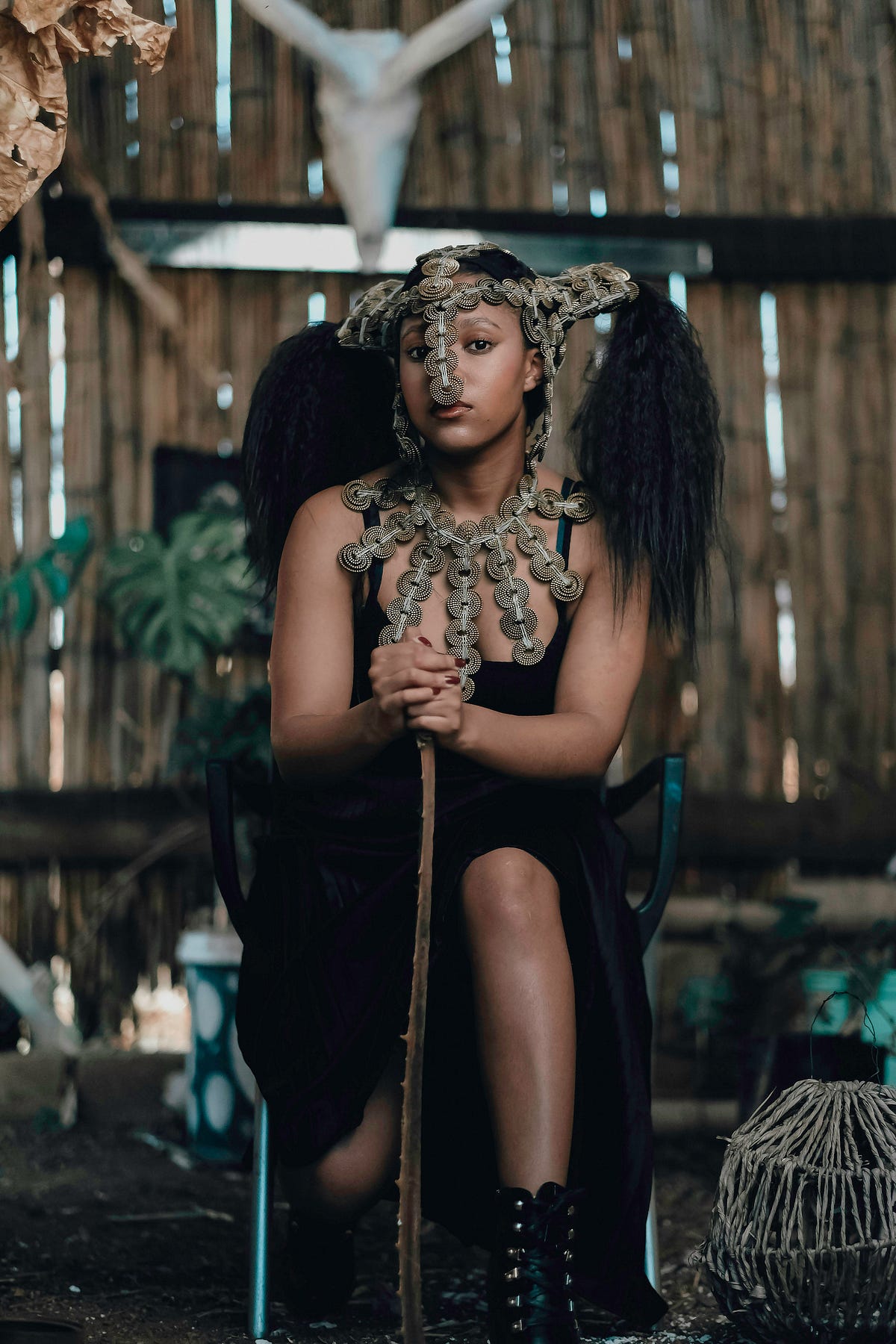
The Archetype of the Crocodile Mother
Who, finally, was the ancient mother of crocodiles?
- She was Neith, the primordial goddess, associated with the primeval floodwaters and often depicted nursing crocodiles.
- She was Sobekneferu, the crocodile queen, who bound her legitimacy to Sobek’s cult in the Fayum.
- She was Nitocris, the avenger queen of the labyrinth, remembered by Greeks as a figure of fire and vengeance.
As an archetype, she embodies the paradox of feminine power in African tradition: nurturer and destroyer, mother and executioner, preserver of order and avenger of chaos.
Lessons from the Labyrinth
The tale of the Ancient Mother of Crocodiles is not easily pinned down. It is history refracted through myth, myth retold as history, and both filtered through cultural memory.
What survives is less about one woman than about the enduring themes of regicide, ritual, and revenge. It is about the way power is taken, lost, and avenged. It is about how queens and goddesses alike embody the dangerous, creative, and destructive waters of the Nile.
And it is about how Africa’s sacred feminine has always been more than a counterpart to men’s power — it is the source of renewal, the guardian of order, and, when wronged, the avenger cloaked in ashes and crocodiles.
To listen to the story is to step into the labyrinth. And once inside, you realize that every chamber — above and below ground — contains not just history, but the reflection of our own timeless struggle with justice, power, and revenge.
Talk to you later
🎧 Listen to the Full Episode
📺 Watch on YouTube
About the King Cam’s Ujumbe Podcast
The Podcast, hosted by King Cam (Marques D. Cameron Sr.), explores the hidden histories, spiritual traditions, and mystical wisdom of ancient Africa. Each episode uncovers forgotten knowledge and empowers listeners to connect with their ancestral heritage.
Check out these books and gifts on Amazon!
Thanks for reading! As an Amazon Associate, I get a small commission for each purchase you make after you click on my link and you shop, but it doesn’t cost you anything extra. Please use my links below!
Reveals the achievements of Sobekneferu, the political and religious issues of her age, the temples and ruins…amzn.to
This fascinating saga spans 3,000 years of Egyptian queenship from Early Dynastic times until the suicide of Cleopatra…amzn.to
Interested in exploring the depths of history, education, or religion through engaging articles? I’d love to contribute my expertise as a freelance writer.
Feel free to reach out at kingcamujumbe@gmail.com for collaborations or inquiries. Let’s create something impactful together!


No comments:
Post a Comment