
The Two Ladies of Egypt
Ancient Egypt imagined the world as a finely tuned balance of complementary forces: desert and floodplain, north and south, life and afterlife, the sky of falcon Horus and the earth of cobra and vulture goddesses. Get this, at the center of that balance stood the king (nsw-bity), the living pivot of cosmic order. Yet the king did not stand alone. He was flanked — and in many texts, literally crowned — by two vigilant protectors who embodied the unity of Egypt itself:
Nekhbet of Upper Egypt
Wadjet of Lower Egypt.
Together they were called “The Two Ladies” (Nebty), a title that fused geography, theology, and politics into a single, enduring emblem.
This in-depth article explores who the Two Ladies are, how they came to personify Egypt’s unity, the rich symbolism that accrued around them, and the ways their protective power touched coronations, warfare, queenship, funerary practice, and everyday piety. We’ll also examine case studies — from Narmer to Hatshepsut, Nefertari to Taharqa, and on through the Greco-Roman period — to show how, across three millennia, Nekhbet and Wadjet shaped Egyptian ideas about divine rulership and balance.

Who Are the Two Ladies?
The Two Ladies are Nekhbet and Wadjet, patron goddesses of Upper and Lower Egypt respectively.
- Nekhbet is the vulture goddess of Upper Egypt (the southern Nile Valley). Her principal cult center was Nekheb (modern el-Kab), near the important city of Hierakonpolis. Nekhbet’s iconography shows her as a vulture hovering over the king, wings outstretched in a protective gesture, often clutching the shen ring — a looped symbol of eternity and wholeness. In other scenes she appears as a woman wearing the vulture headdress.
- Wadjet (also spelled Wadjyt, Uto, or Buto) is the cobra goddess of Lower Egypt (the northern Delta). She is closely associated with Per-Wadjet (Buto), a Delta site whose marshland habitat echoes the cobra’s domain. Wadjet is most famous as the uraeus — the raised, coiled cobra poised to strike — worn on the king’s brow. In mythic registers, she’s also linked to the Eye of Ra, an avatar sent to punish chaos and defend the god’s order.
The Two Ladies are not only emblems; they are active divine agents. In temple and tomb reliefs, inscriptions, and coronation texts, Nekhbet and Wadjet bless, shield, authorize, and sometimes threaten on behalf of the rightful ruler of a united Egypt. Their paired presence announces a single message:
The king’s authority reaches from the First Cataract to the Mediterranean, and that authority is divinely sanctioned.
Origins, Myths, and Meaning
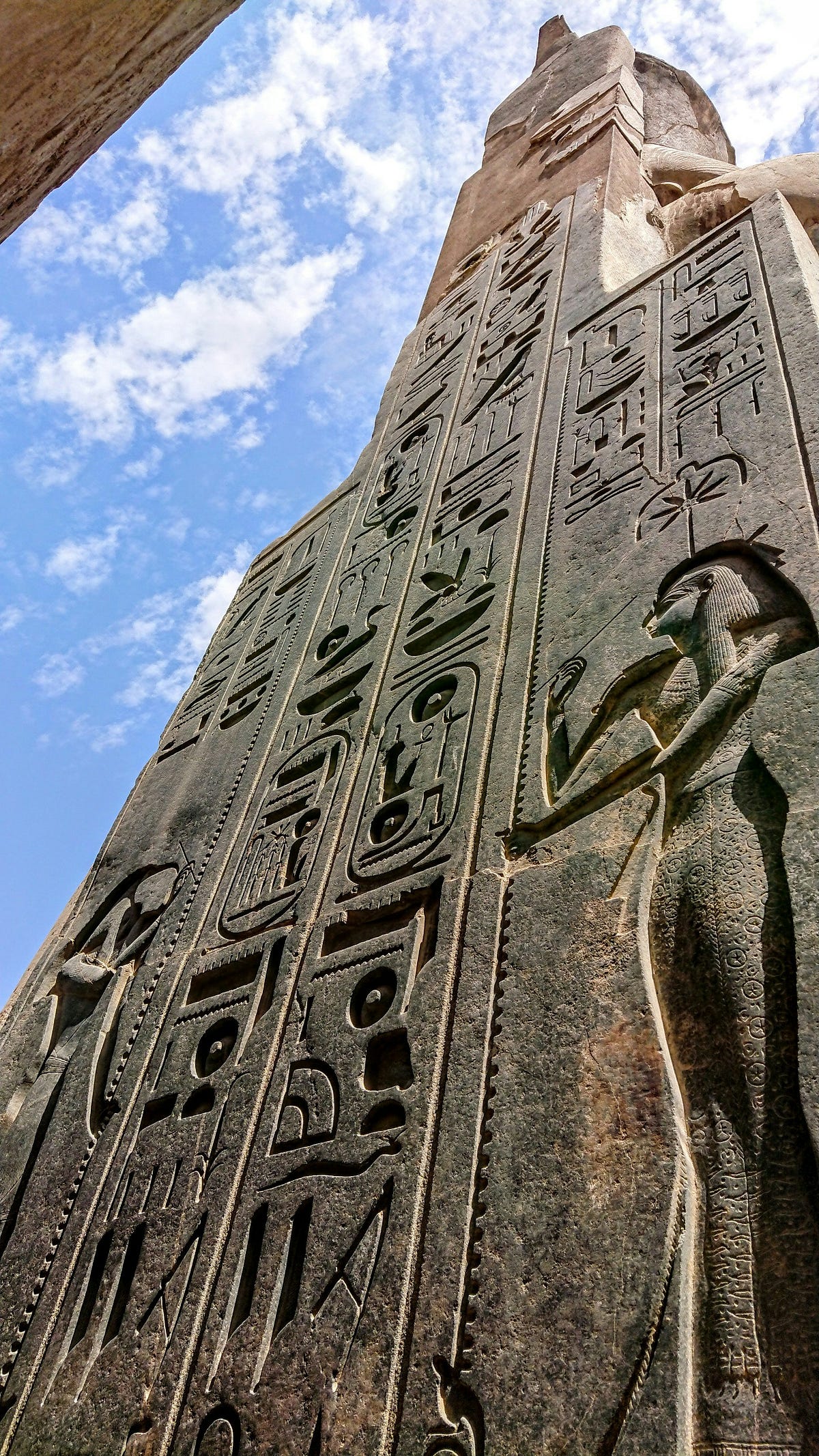
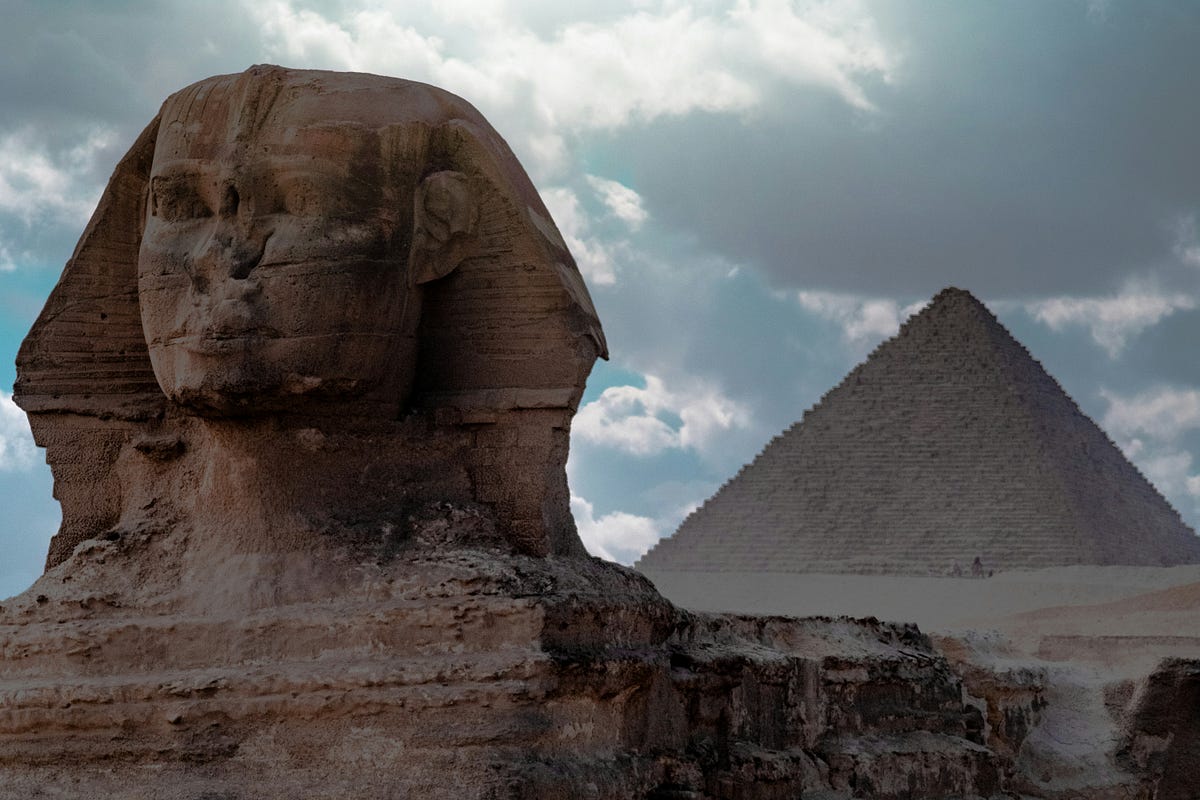
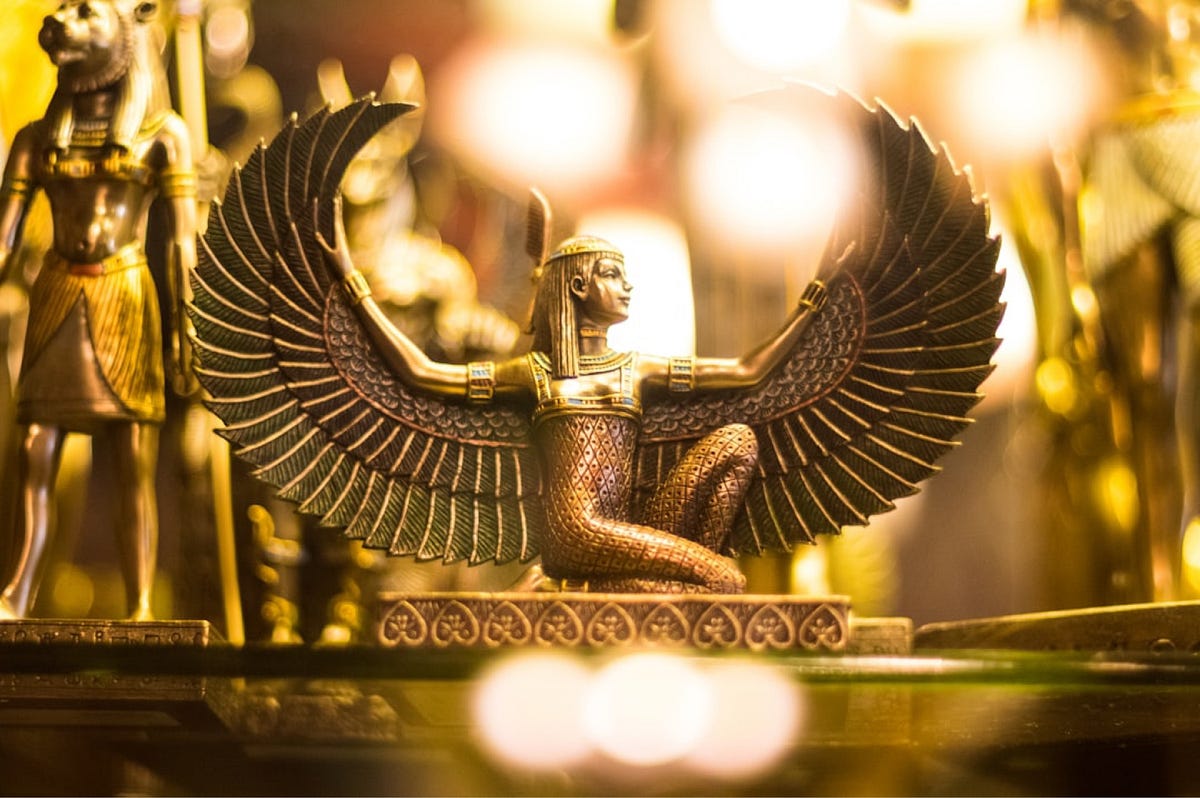
Photo by M abnodey on Unsplash
Local Patrons to National Symbols
Both deities began as potent local protectors whose identities were deeply tied to their regions. As Egypt’s political landscape coalesced — especially in the late Predynastic and Early Dynastic periods — these local guardian goddesses expanded into national patrons. By the time royal titulary fully develops, the king bears a Nebty (Two Ladies) name, one of the “Great Five Names,” flanked by the vulture and cobra hieroglyphs. This was theology and statecraft moving in lockstep: the unification of Egypt (Upper + Lower) receives a divine face — and two vigilant sets of eyes.
Eye of Ra and Just Retribution
Wadjet’s identity interweaves with the Eye of Ra tradition (a role sometimes shared with other goddesses such as Hathor, Sekhmet, or Mut). As the Eye, she is a force of fiery justice: she hunts chaos, punishes rebels, and scorches the unrighteous. In iconography, her cobra form “spits fire” at enemies — a compact visual for divine deterrence. Nekhbet complements this with a maternal, encompassing protection — the hovering vulture wrapping the royal name and identity in the eternal loop of the shen.
Duality as Cosmic Balance
Egyptian religion favored complementary pairs, not contradictions. Nekhbet and Wadjet articulate that ideal: north/south, marsh/cliff, cobra/vulture, wrath/mercy, strike/embrace. For the ruler to be complete — and for the land to be whole — both goddesses must be honored together.
Crowns, Cartouches, and the Language of Power
The Double Crown (Pschent)
The Double Crown (often called the Pschent in modern literature) unites the white crown of Upper Egypt (Hedjet) and the red crown of Lower Egypt (Deshret). While the white crown’s tall, conical shape evokes Upper Egypt, the red crown’s low, flared form with a spiral element (sometimes described as the “curl” or a stylized wire) evokes the Delta. Together they telegraph a simple truth: one king rules both lands.
Although physical crowns rarely survive (likely due to perishable materials, reuse, or strictly controlled sacred storage), their imagery is everywhere — stelae, temple walls, statuary, and ritual scenes. It is the iconography that mattered most; the crown is a visual statement of unity continuously renewed.
The Uraeus and the Vulture Headdress
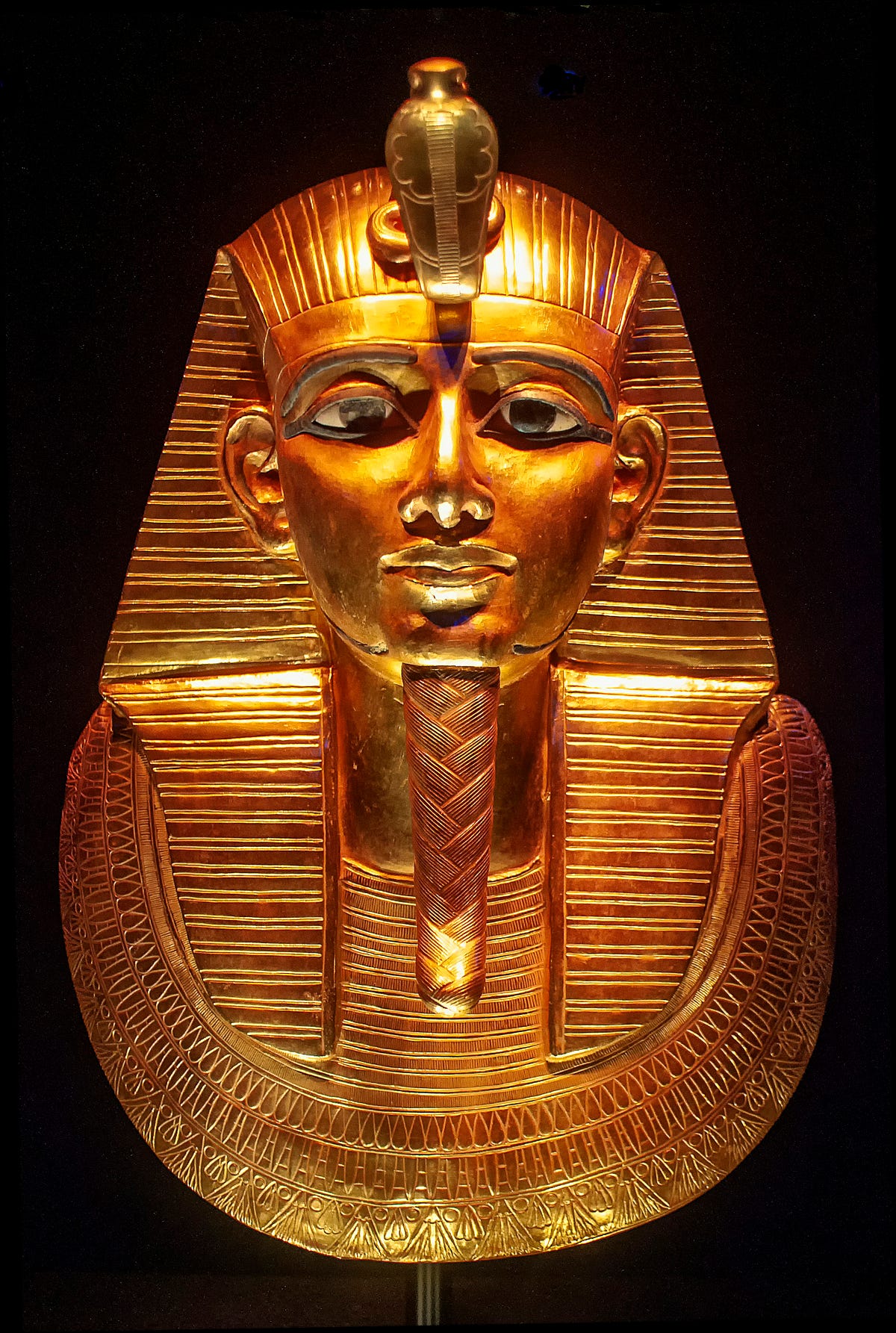
- The uraeus — Wadjet in cobra form — arches over the king’s brow, often joined by a vulture emblem of Nekhbet. In many New Kingdom and later reliefs, you’ll see dual uraei, doubling the cobra presence. Multiple uraei intensify the message: reinforced protection, amplified divine mandate, and sometimes an ideological emphasis during periods of political stress or interregional assertion.
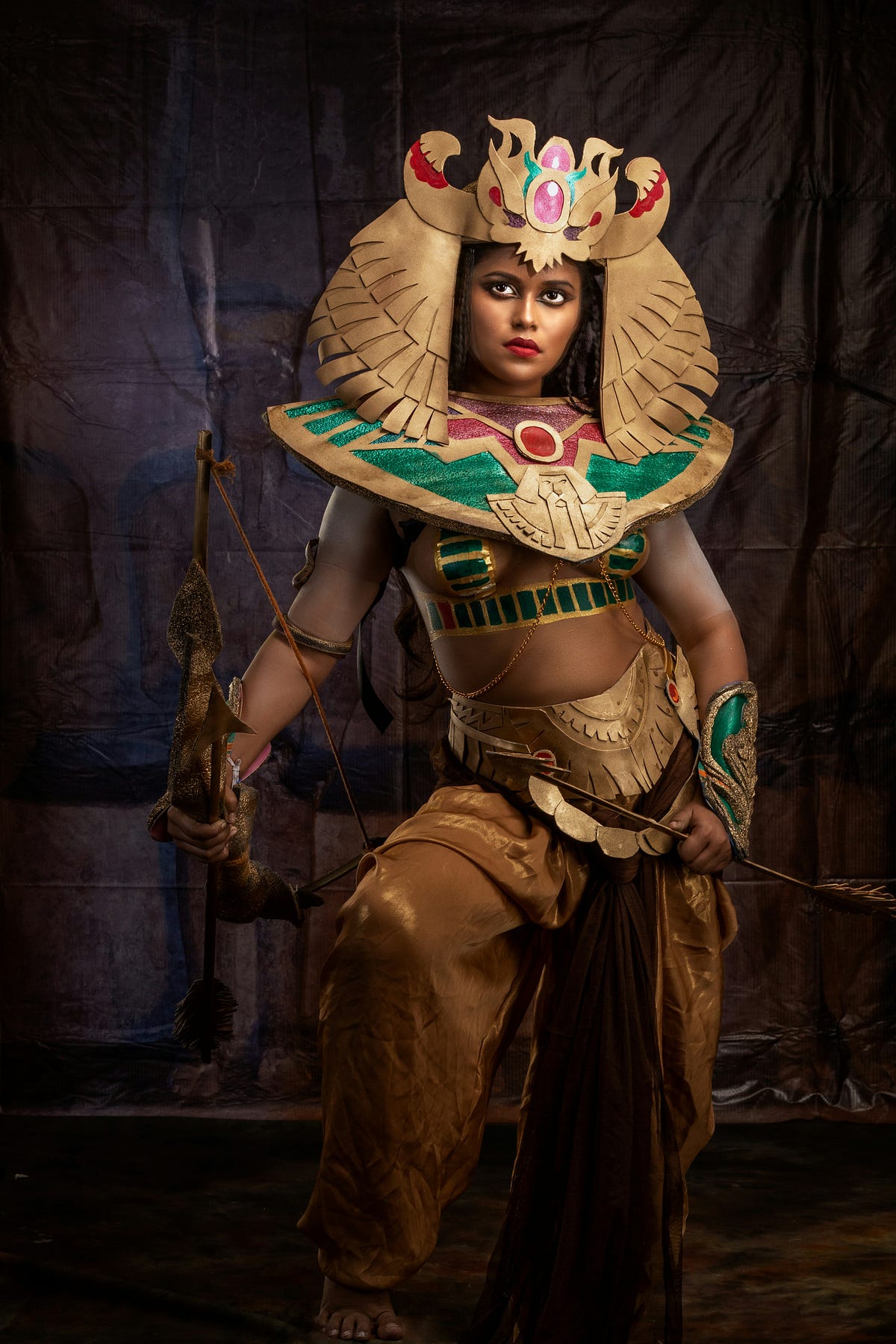
- The vulture headdress becomes a hallmark of queenship. Queens, as embodiments of protective and maternal authority, wear the vulture to signal their own participation in divine guardianship. It is not a mere adornment; it is a program of queenship, where the queen is both mother to heirs and guardian of the throne.
Shen Ring and Cartouche
The shen ring — a loop of rope knotted to form a circle — signifies eternity, completeness, and protection. When you see Nekhbet clutching a shen above the king, she is figuratively closing the circle around his life-force and reign. Later, the king’s names appear inside an elongated loop — what we moderns call the cartouche — a visual descendant of the shen’s protective logic. To encircle a name is to safeguard identity, to bind it to perpetuity.

The Two Ladies in Royal Titulary
Egyptian kings bore a multi-layered titulary, including the Horus name, Two Ladies (Nebty) name, Golden Horus name, Throne name (prenomen), and Birth name (nomen). The Nebty name explicitly invokes Nekhbet and Wadjet, often with epithets that proclaim virtues such as “pacifier of the Two Lands,” “beloved of the Two Ladies,” “chosen by the Two Ladies,” and other formulations tying the sovereign’s mission to unification, justice, and cosmic stability.
Seeing the Nebty name on a monument or scarab tells you that the Two Ladies are conceptually present: they endorse the policy, the building project, the victory scene, or the funerary assurance that the inscription commemorates. The titulary is not decoration; it is performative theology in stone.
Queenship and the Vulture Crown
While the king personifies the union of lands, Egyptian queens often embody continuity and care. The vulture crown — with its outstretched wings or vulture cap — visually binds the queen to Nekhbet’s maternal protection:
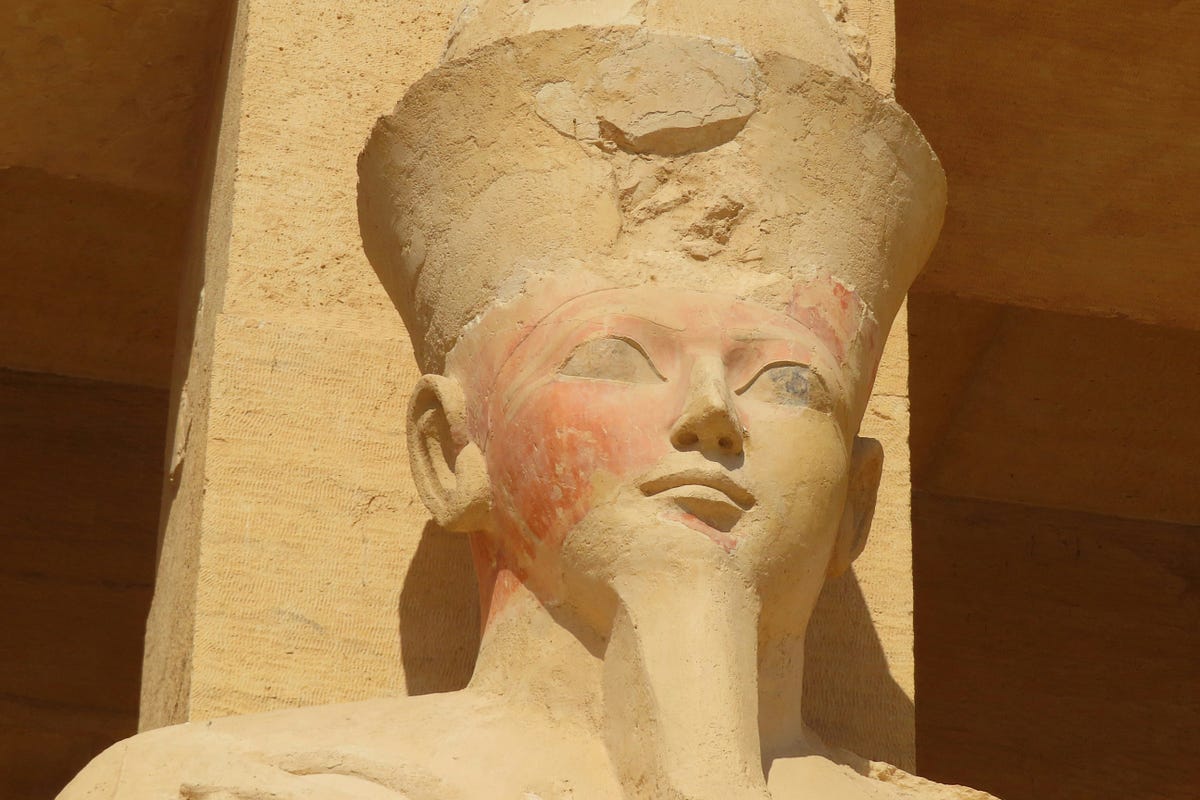
- Hatshepsut is frequently depicted with royal regalia signaling both kingship and the protective patronage of the goddesses. In her inscriptions, she is framed as chosen by the gods, and Nekhbet’s maternal aspect harmonizes with Hatshepsut’s emphasis on ma’at (order) and restorative building.
- Queen Tiye (Great Royal Wife of Amenhotep III) and Queen Nefertari (Great Royal Wife of Ramesses II) appear with elite iconography that elevates them beyond the typical consort image. Nefertari’s tomb (QV 66) exquisitely shows the visual literacy of queenship — themes of protection, divine endorsement, and joint participation in royal sacrality.
Queens could be ideological keystones. By wearing Nekhbet’s emblem, they are not merely spouses; they are co-articulators of the Two Ladies’ guardianship, especially over the royal children and the succession.
Wadjet as the King’s Fire: Justice, War, and the Eye of Ra
Wadjet’s uraeus is not only a badge; it’s a weaponized theology. Reliefs show the cobra projecting flame toward enemies, an economical way to say “divine force secures victory.” In texts where the king smites foes, Wadjet’s presence signals that warfare itself is sacralized as an act of re-establishing order against chaos.
As an Eye of Ra goddess, Wadjet participates in myths of estrangement and reconciliation: the Eye departs in anger or zeal, then returns after subduing or destroying threats to cosmic order. This mythic rhythm — departure to punish, return to bless — mirrors the political rhythm of kingship: the campaign season that defends borders and the festival season that renews order.
Nekhbet as the King’s Embrace: Protection, Coronation, and Eternity
If Wadjet is the king’s fire, Nekhbet is his canopy. In coronation scenes and temple reliefs, Nekhbet hovers above the king with wings unfurled, often together with Wadjet. The message is not passive: she actively confers legitimacy. Her shen ring over the king’s head is a loop drawn against mortality, a claim that the monarch’s name, office, and duty are folded into the fabric of eternity.
At coronation and jubilee festivals like the Sed-festival, the Two Ladies often appear in symmetrical compositions, balancing north and south. Coronation is, in effect, a liturgical unification rite, and the Two Ladies are its divine officiants.

Funerary Roles: Guardians Beyond the Tomb
The Two Ladies do not retire when the king dies. In funerary art they stand guard at gates and sanctuaries, encircle the royal name on sarcophagi and canopic equipment, and appear in protective amulets worn by officials and priests. The afterlife required as much safeguarding as the throne room; enemies of order, whether human or demonic, could threaten the soul’s journey. To place Nekhbet and Wadjet at doorways or on the body is to weave a net of divine vigilance over the dead.
Even during foreign dominations (Libyan, Kushite, Assyrian, Persian) and later Greco-Roman rule, the Two Ladies persist in iconography and formulaic texts. The face of power may change, but the grammar of protection remains a constant.
Case Studies Across Three Millennia
The Narmer Palette: Proto-Unity in Stone
Often dated to the cusp of the First Dynasty, the Narmer Palette proclaims the unification of Egypt with striking artistry. Though the explicit double crown imagery becomes standardized later, the palette’s logic — one ruler mastering both regions — lays groundwork for the Two Ladies’ later national role. Early visual language builds toward the theological pairing of cobra and vulture that will define pharaonic ideology.
Hatshepsut: Building Ma’at with the Ladies’ Blessing
Hatshepsut (18th Dynasty) presents herself as chosen by Amun and embraced by the protective order the Two Ladies represent. In the reliefs at Deir el-Bahri, she is consistently framed by divine parentage and protection. Nekhbet’s maternal messaging dovetails with Hatshepsut’s reign of massive construction, trade revival, and stability. The vulture crown reads as “queen as protector of the royal house and order.”
Nefertari: The Visual Poetry of Queenship
In Nefertari’s tomb, the refinement of line and color encapsulates the New Kingdom’s piety of beauty. Nefertari aligns with Hathor and Isis, but Nekhbet and Wadjet are present in formulae and protective motifs — the Two Ladies’ logic animates the entire iconographic program: protection and passage through the underworld under the auspices of divinity and rightful order.
Taharqa and the Kushite Moment: Dual Uraei and Reinforced Authority
Under the 25th Dynasty (Kushite/Nubian rulers), Taharqa and his predecessors deliberately rehabilitated classical forms of Egyptian religion and kingship. The use of dual uraei on crowns and imagery can be read as an intensification of the Two Ladies’ protection — part theology, part political messaging during a period of regional contestation. The visual rhetoric says: our kingship is more than legitimate — it is abundantly protected by both Ladies.
Tutankhamun: The Afterlife’s Living Crown
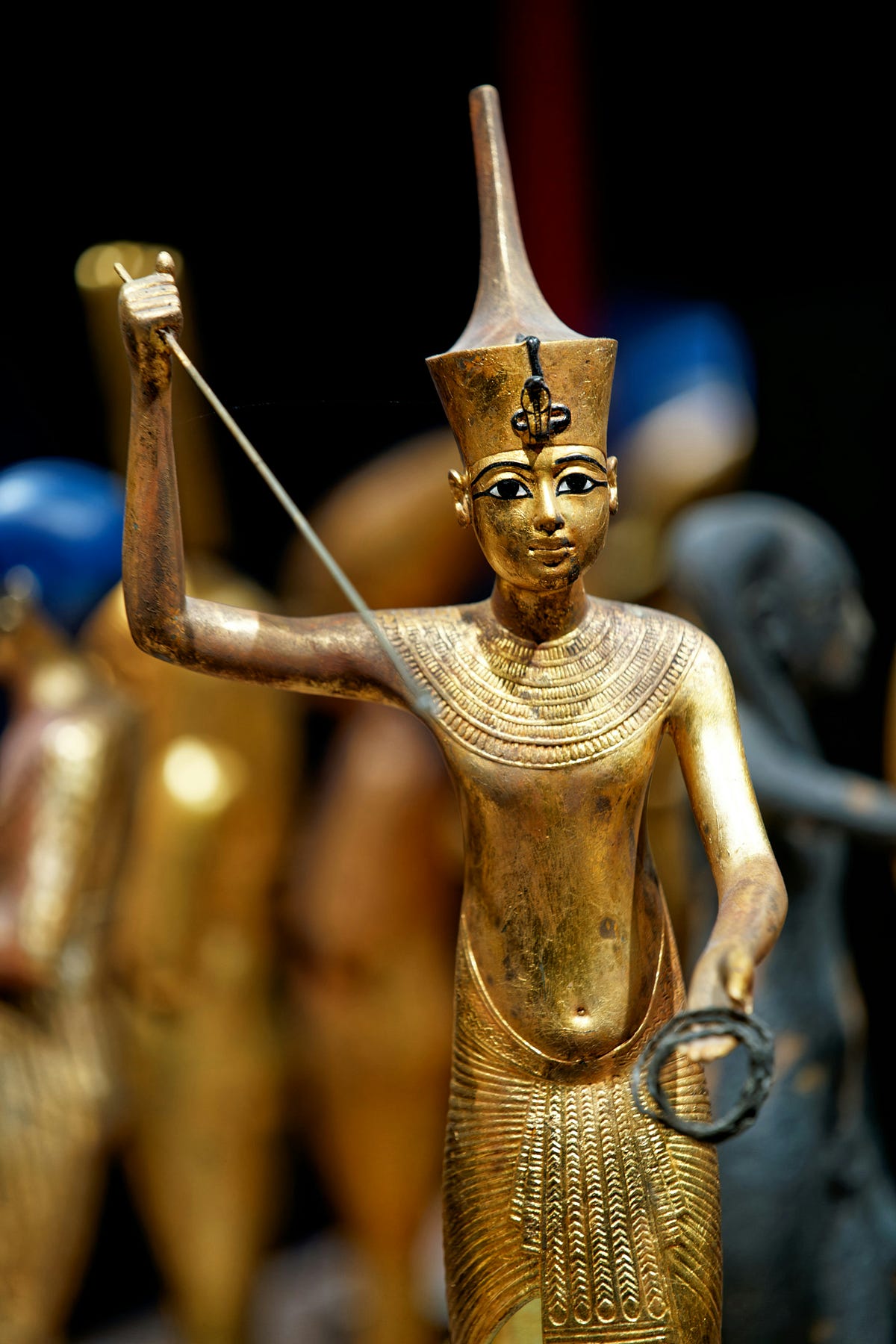
Tutankhamun’s funerary mask presents a serene synthesis of protective emblems. The vulture and cobra poised together on his brow compress Nekhbet and Wadjet into a single, arresting symbol: Upper and Lower Egypt guard the eternal king. In death as in life, the Two Ladies remain on duty.
Ptolemaic and Roman Egypt: Persistence through Syncretism
Even as Greek and Roman rulers adopt Egyptian styles, the Two Ladies persist. They become part of a wider syncretism where foreign elites clothe themselves in Egyptian religious credentials. The vulture and cobra continue to signify local legitimacy, a passport stamped by millennia of belief.
Politics, Theology, and the Work of Symbols
Why Double Up? Multiple Uraei and Overinscription
Egyptian art sometimes duplicates protective symbols — two uraei, repetitive shen rings, or nested cartouches. Doubling is a visual rhetoric of reinforcement. In times of dynastic fragility, internal reform, or external pressure, artists and priests may amplify the protective chorus. More cobras do not mean a new goddess so much as turning up the volume on royal invulnerability.
The “Missing” Crowns: What Happened to the Hedjet and Deshret?
A perennial mystery: Why so few crowns survive? Several plausible explanations coexist:
- Perishable materials (leather, textiles, reeds, gilded wood) that do not weather time like stone and gold.
- Restricted ritual objects kept in temple treasuries, periodically refurbished or repurposed.
- The crown’s true life was symbolic — its power emanated through imagery, ritual, and speech more than through durable artifacts.
In short, the crown lived primarily in icon and rite — and in that realm it still lives today.

Beyond the Palace: Amulets, Seals, and Everyday Piety
The Two Ladies were not confined to royal walls. Amulets bearing the cobra, vulture, or paired emblems appear in burials and among officials’ personal items. Seals and scarabs invoke their protection over offices, granaries, expeditions, and correspondence. In a world where order could be disrupted by flood failure, disease, or invasion, carrying the Two Ladies’ signs was akin to carrying a fragment of the state’s protective aura.
Temples and Sacred Geography: Nekheb and Buto
The Two Ladies’ power is grounded in place:
- Nekheb (el-Kab): cliffs, desert margins, and ancient shrines link Nekhbet to the southern identity of Egypt — hard stone, vulture-scoured skies, the frontier of Nubia, and the cataracts upstream. Her imagery often frames the king as a nestling under outstretched wings.
- Per-Wadjet (Buto): delta marshes, papyrus thickets, and the north’s watery labyrinths root Wadjet in the northern identity — reeds, serpents, and the protective “strike” that comes from concealed vantage. Her cobra arises from papyrus stands and palace façades, ready to defend.
These two landscapes are not accidental; they are theater sets for the goddesses’ personalities. Every time an artist pairs vulture and cobra, the viewer reads not just deities but topographies: cliff and marsh; south and north.
Ritual Time: Coronations, Sed-Festivals, and Processions
In ritual calendars, the Two Ladies animate the rites of kingship:
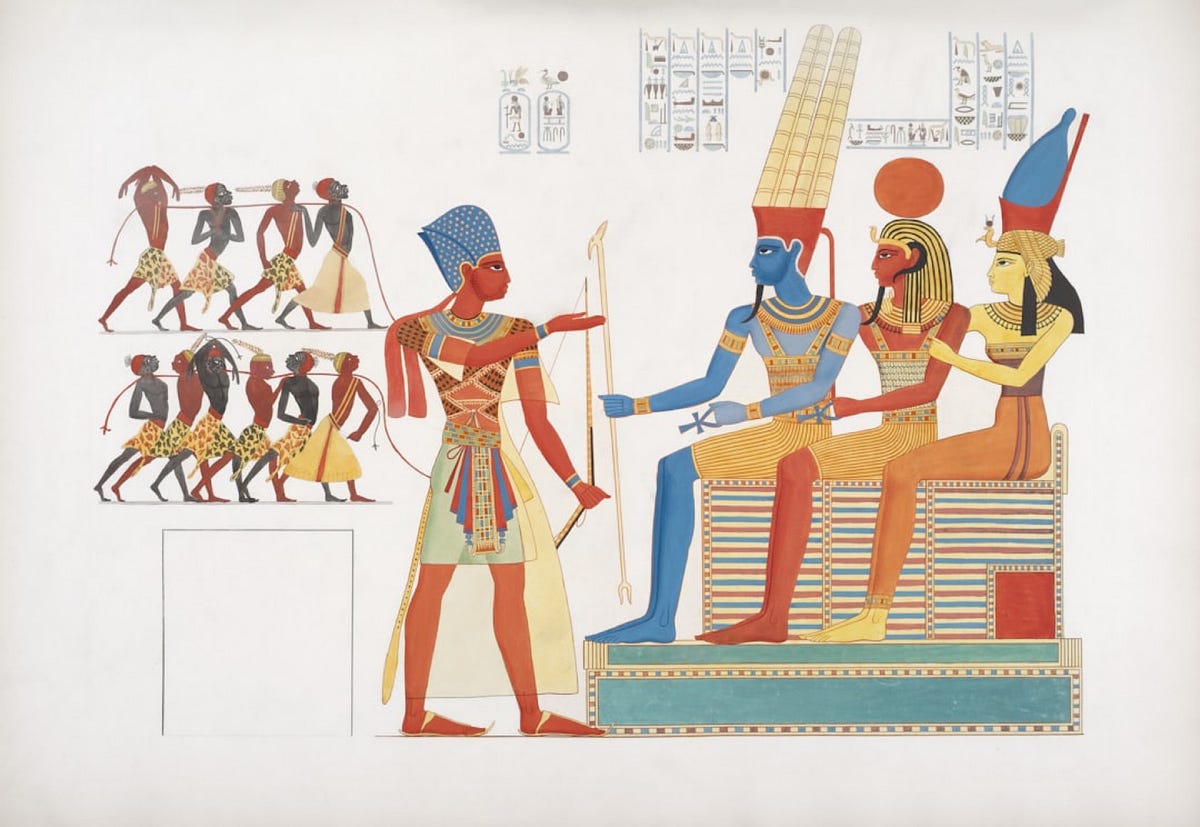
- Coronation: Priestly recitations invoke the Two Ladies to “establish the king”, to stretch the shen ring over his head and fuse his person with the land’s dual soul.
- Sed-festival: At royal jubilees, the king re-enacts his ability to “run the Two Lands,” sometimes literally in ritual circuits. The Two Ladies’ presence within the festival’s iconography signals the re-charging of sovereignty.
- Processions and Temple Drama: Barks bearing divine statues pass through courts and pylons lined with imagery of Nekhbet and Wadjet. The message is layered but unified: order moves, order is mobile, and wherever it travels, the Two Ladies flank it.
Symbolic Grammar: Three Readings of Dual Uraei
When texts and reliefs show two cobras (or multiple), scholars and storytellers often propose three overlapping readings:
- Unification Statement: two uraei = Upper + Lower affirmed again.
- Enhanced Protection: redundancy in the sacred = resilience; twice the eyes, twice the strike.
- Political Messaging: in tense times, the image argues: “This reign is fully legitimate — divinely underwritten from both directions.”
These readings are not mutually exclusive; Egypt’s visual language often stacks meanings like layers of linen around a mummy: protective, decorative, and theological at once.

Intersections with Other Goddesses
The Two Ladies never function in isolation. Egypt’s pantheon is cross-referential:
- Hathor (love, music, kingship) and Isis (magic, motherhood, throne) frequently share stages with Nekhbet and Wadjet, especially in queenship scenes.
- Mut (a vulture goddess in Thebes) shows how vulture imagery can broaden beyond Nekhbet while retaining themes of maternal sovereignty.
- Sekhmet and Tefnut intersect with Eye-of-Ra motifs, overlapping with Wadjet’s punitive aspect.
This interconnectedness doesn’t dilute the Two Ladies; rather, it enriches their semantic field, giving artists and priests a flexible palette to compose scenes that fit local theology and political priorities.
Africa in the Frame: Southern Echoes and Nubian Continuities
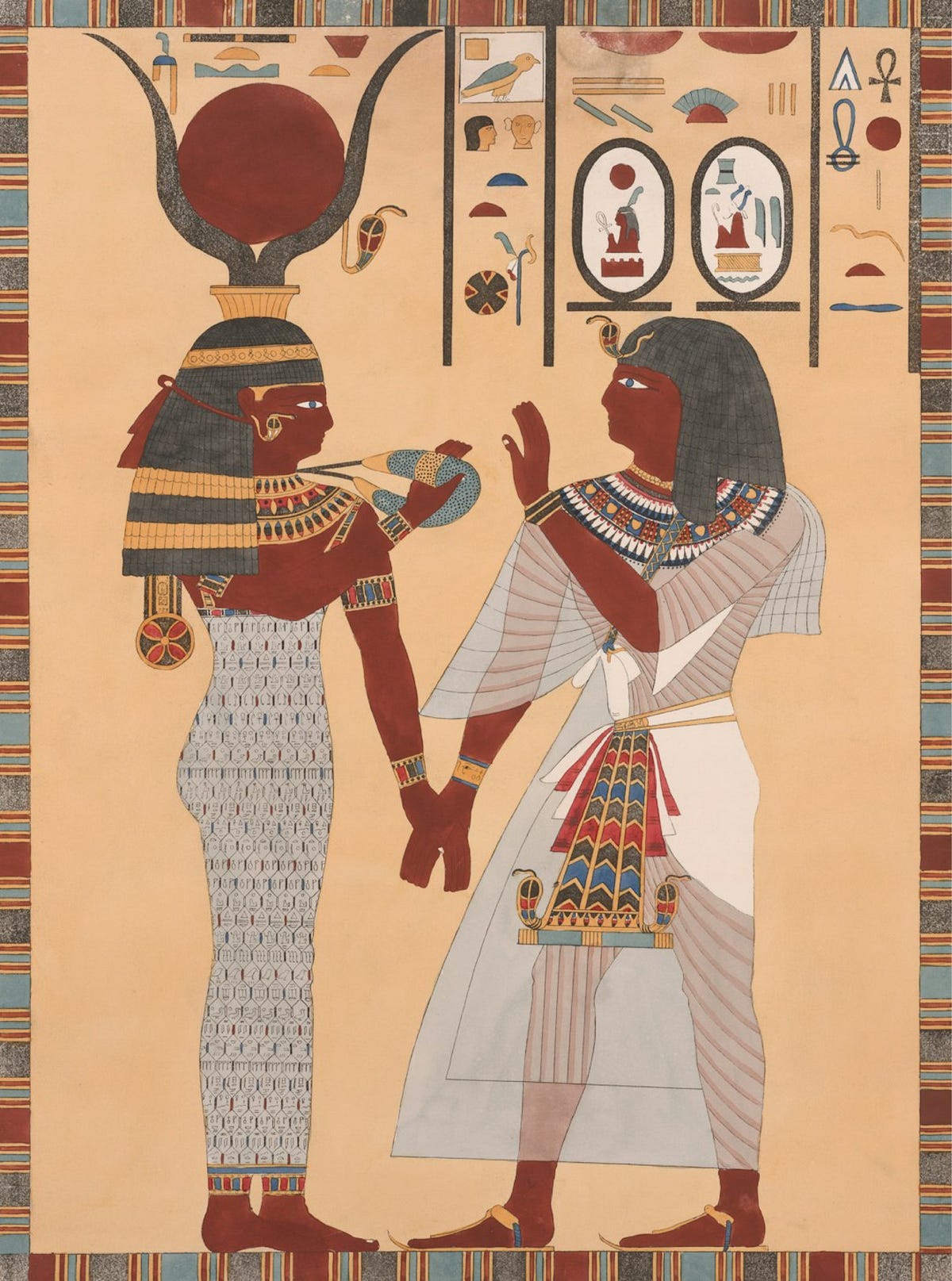
Egypt is an African civilization whose southern horizons — Nubia, Kush — are not mere peripheries but active partners in its story. The 25th Dynasty demonstrates how Nubian kings drew on Egypt’s most classical forms to anchor their legitimacy. The Two Ladies are part of that shared symbolic repertoire. Hairstyles, regalia, and crown-like hair constructions seen across regions of northeast Africa remind us that some visual elements we call “crowns” may also reflect coiffure traditions and textile/organic headgear difficult to preserve archaeologically.
This does not mean crowns were hairstyles; rather, it cautions against insisting that all crowns were rigid, metal objects. In Africa’s hot climate and ritual economies, perishability and performance likely went hand in hand.
Continuity Through Change: Why Nekhbet and Wadjet Endured
What allowed the Two Ladies to thrive across pharaonic centuries and into foreign dominations? Three qualities stand out:
- Clarity: The pairing is visually simple and instantly legible: vulture + cobra = Egypt made whole.
- Flexibility: The goddesses accommodate multiple registers — maternal care, punishing fire, political unity, funerary protection.
- Place-Bondedness: They are rooted in real landscapes (el-Kab and Buto), so even as dynasties turn over, the land itself keeps their cult alive in memory and icon. (We may discuss the temple breakdowns later.)
In a civilization that prized ma’at which II order, truth, and balance. The Two Ladies were the evergreen metaphor that made kingship intelligible to farmers, scribes, generals, and foreign emissaries alike.
Why the Two Ladies Still Matter
The writer believes the Two Ladies teach three enduring lessons:
- Unity through Complementarity
Egyptian unity was never monotone. It was a duet — marsh and cliff, wrath and care — held together by ritual, law, and shared symbols. - Power Requires Protection
Kingship is fragile in any age. Egypt’s answer was to ring the king with visible, audible, ritualized guardians. Nekhbet and Wadjet make political claims legible to every eye. - Symbols as Civic Technology
In a pre-digital world of stone and pigment, symbols were infrastructure. They transmitted messages across centuries, across languages, across dynastic turnover. The Two Ladies are bandwidth for ideas: who rules, why it’s legitimate, and how the cosmos stays in tune.
Conclusion: The Vigil Never Ends
From the earliest palettes to the gilded mask of a boy king, from cliffs of the south to papyrus of the north, Nekhbet and Wadjet trace a continuous line through Egyptian civilization. They hover and strike; they crown and console. They are the grammar that makes royal imagery speak: “This land is one. This throne is protected. This name endures.”
If you stand before a statue of a pharaoh and see the cobra rise on his brow, remember: it is not just a serpent. It is Wadjet, the watchful eye of the north. If you notice a queen’s vulture cap, think of Nekhbet, the southern matron whose wings shelter dynasties. In their duet, the Two Ladies sing Egypt into being — again and again — as long as stone holds a carved line and a gaze finds it.
Talk to you later
🎧 Listen to the Full Episode
📺 Watch on YouTube
Enjoy the videos and music you love, upload original content, and share it all with friends, family, and the world on…www.youtube.com
About the King Cam’s Ujumbe Podcast
The Podcast, hosted by King Cam (Marques D. Cameron Sr.), explores the hidden histories, spiritual traditions, and mystical wisdom of ancient Africa. Each episode uncovers forgotten knowledge and empowers listeners to connect with their ancestral heritage.
Check out these books and gifts on Amazon!
Thanks for reading! As an Amazon Associate, I get a small commission for each purchase you make after you click on my link and you shop, but it doesn’t cost you anything extra. Please use my links below!
This fascinating saga spans 3,000 years of Egyptian queenship from Early Dynastic times until the suicide of Cleopatra…amzn.to
From stories of resurrected mummies and thousand-year-old curses to powerful pharaohs and the coveted treasures of the…amzn.to
Interested in exploring the depths of history, education, or religion through engaging articles? I’d love to contribute my expertise as a freelance writer.
Feel free to reach out at kingcamujumbe@gmail.com for collaborations or inquiries. Let’s create something impactful together!



No comments:
Post a Comment