
In a media landscape that often sidelines Black voices. I invited Theo B. Creators like him are pushing boundaries, flipping the script, and reimagining the future. Their recent conversation — featured in my podcast entitled, “King Cam’s Ujumbe Podcast” this special episode — is more than a dialogue. It’s a cultural moment.
I believe, this isn’t just about comics or science fiction — it’s about reclaiming power through storytelling.
Let’s break down the key themes that made this interview a must-watch for creatives, thinkers, and culture lovers alike.
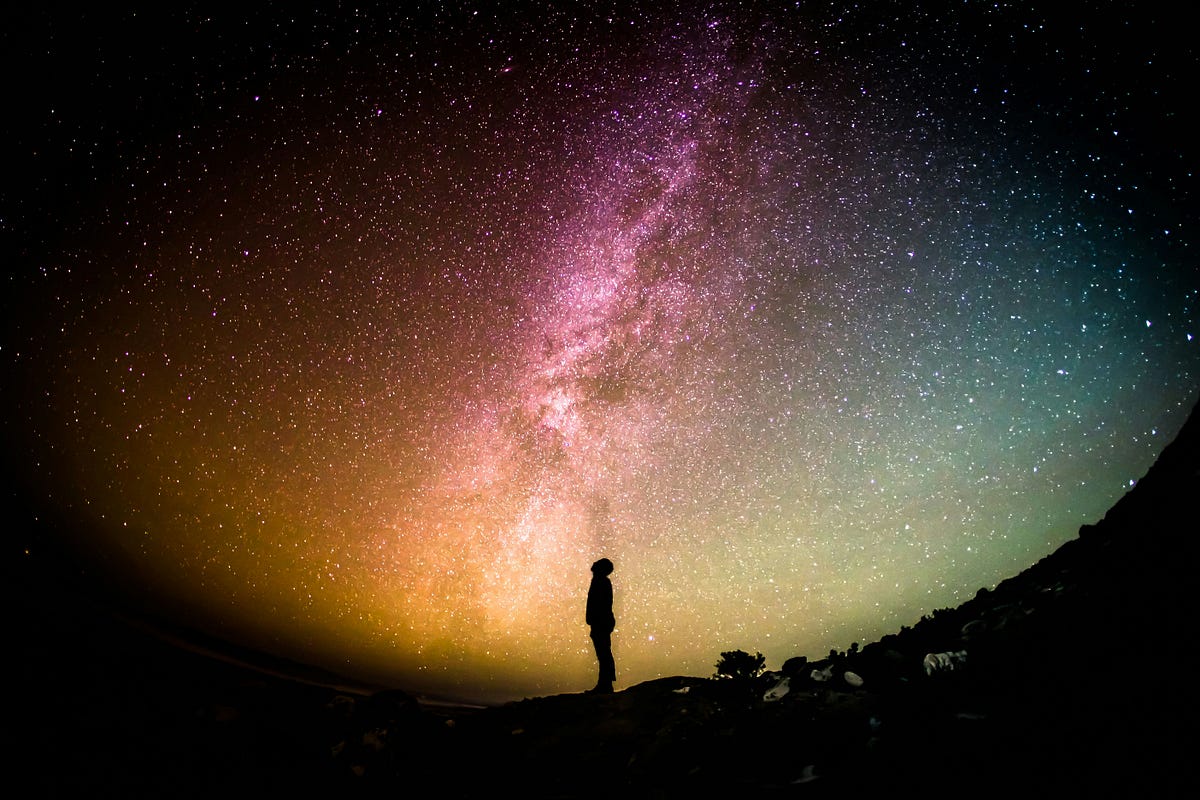
Afrofuturism: Black Futures Reimagined
Theo B wastes no time defining Afrofuturism not just as an aesthetic, but as a mindset. It’s where African culture, innovation, and speculative futures converge. Think technology, spirituality, and ancestral memory all fused into worlds where Black people don’t just survive — they thrive.
Afrofuturism challenges the historical erasure of Black identity in media by positioning Blackness at the center of imaginative futures. It asks: What does liberation look like when we are no longer reacting to oppression, but creating beyond it?
As Theo puts it:
“Afrofuturism gives us permission to dream without boundaries.”
The Legacy of Black Panther: More Than a Movie
The conversation naturally turns to Marvel’s Black Panther — a cultural juggernaut that opened the floodgates for Black-led, blockbuster storytelling.
King Cam reflects on what it meant to see Black royalty, brilliance, and technology on the big screen — with global resonance. But both he and Theo agree: the work isn’t done. Black Panther was a spark. Now it’s time to fan the flames.
“Wakanda was a wake-up call,” Theo says.
“Now we’re seeing what happens when the world realizes Black imagination has always been this rich.”
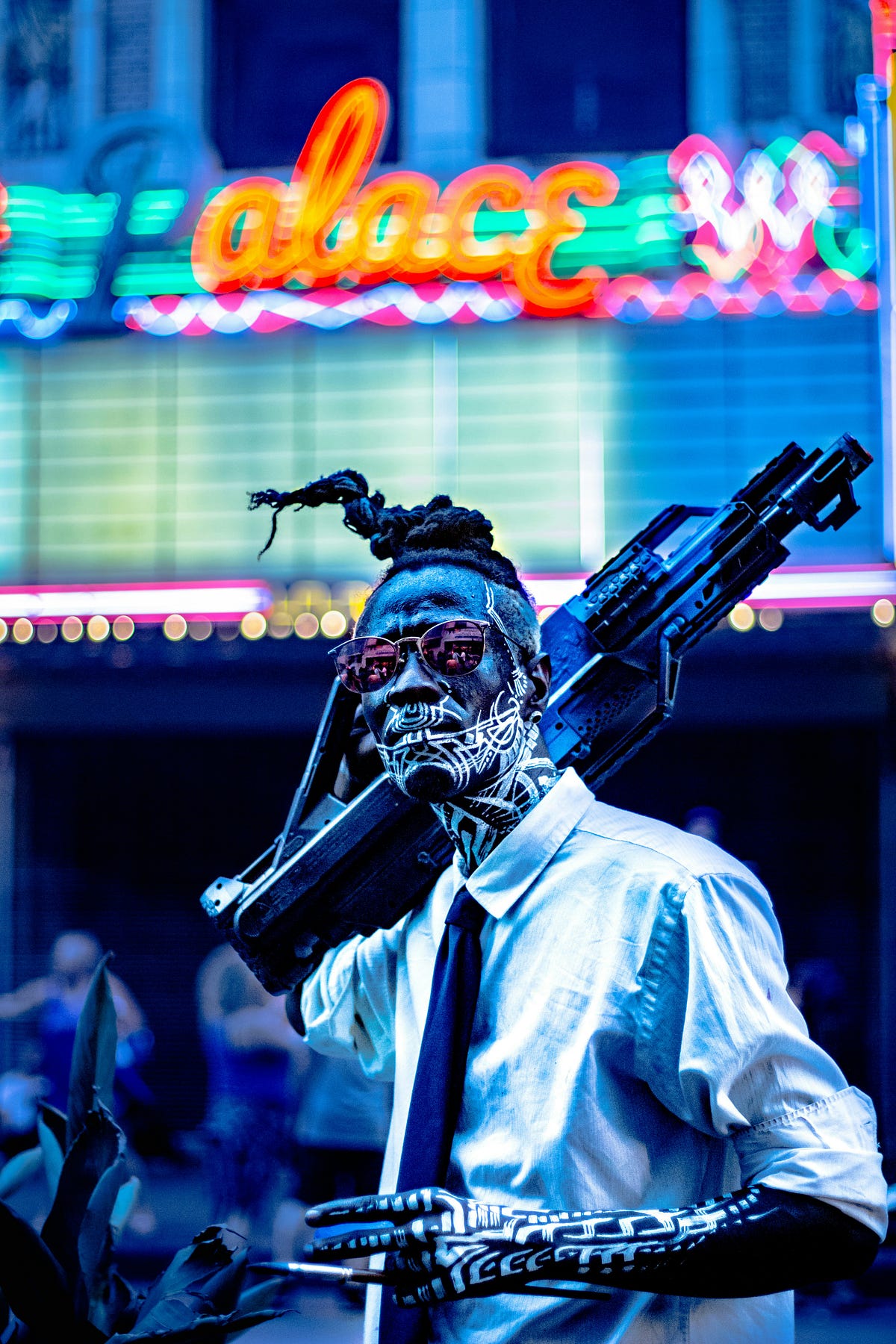
Independent Black Creators Are Leading the Charge
In a system where traditional comic publishers have often overlooked diverse voices, independent Black comic creators are doing what we’ve always done — building our own tables.
From digital webtoons to grassroots Kickstarters, Black indie creators are telling stories rooted in authenticity, power, and perspective. Comics like:
Harriet Tubman: Demon Slayer by David Crownson
Excellence by Brandon Thomas and Khary Randolph
Nubia: Real One from L.L. McKinney
And countless others reclaiming the superhero narrative from a distinctly Black lens
Theo B emphasizes that these creators aren’t just filling a gap — they’re establishing a new standard.
“These books don’t ask for permission,” he says. “They speak truth and push culture forward.”

Why Sci-Fi & Comics Are Essential to Identity Formation
Representation isn’t just about numbers — it’s about impact. When young Black kids see themselves reflected as inventors, warriors, and leaders in sci-fi and fantasy, something powerful happens: their idea of what’s possible expands.
Theo B shares how comic books gave him confidence as a kid — not just entertainment, but identity.
“They helped me see myself outside of the struggle,” he says.
“I saw heroes who looked like me saving the world, building civilizations. That matters.”
The genre allows for spiritual and cultural expression in ways traditional media often can’t. It’s where Afrofuturist worlds echo ancient African wisdom, and where storytelling becomes soul work.

Black-led Platforms Are Cultural Lifelines
King Cam and Theo agree that platforms like “I Ain’t Saying, I’m Just Saying” are crucial. In a world driven by algorithms and gatekeeping, we need spaces that prioritize real conversations and cultural elevation. I then said
“These conversations aren’t just content — they’re legacy,”
“We’re documenting the movement as it happens.”
Independent Black platforms are not only amplifying marginalized voices — they’re preserving cultural memory, sparking collaboration, and mentoring the next generation.

Black Comic Book Versus Battle — Culture Meets Fun
In a lighter, yet equally meaningful segment, the duo face off in a “Black Comic Book Versus Battle.” Think Luke Cage vs Static Shock. Nubia vs Misty Knight. The playful exchange showcases how deep and varied Black comic history really is.
Not only is it fun, it underscores a powerful point: we have options now. Characters, stories, and heroes that reflect our many dimensions — and we’re just getting started.
Final Thoughts: The Future is Being Written
In the end, we left listeners with a clear message:
If we want a future that reflects us, we have to create it ourselves.
Support Black storytellers. Buy indie comics. Amplify Black media. Teach your kids that they can not only be heroes — they can write them too.
This episode is more than a cultural breakdown — it’s a blueprint for creative liberation. Theo says.
“We’re not waiting for permission,”
“We’re telling our stories, our way — and the world is listening.”
Watch the full conversation on “King Cam’s Ujumbe Podcast
Enjoy the videos and music you love, upload original content, and share it all with friends, family, and the world on…www.youtube.com
This is just the beginning. The future of Black storytelling is bright — and it looks like us.
Talk to you later…
Check out these books and gifts on Amazon!
Thanks for reading! As an Amazon Associate I get a small commission for each purchase you make after you click on my link and you shop, but it doesn’t cost you anything extra. Please use my links below!
Interested in exploring the depths of history, education, or religion through engaging articles? I’d love to contribute my expertise as a freelance writer.
Feel free to reach out at kingcamujumbe@gmail.com for collaborations or inquiries. Let’s create something impactful together


