

The Black Church and Education
From whence we came and where we are traveling
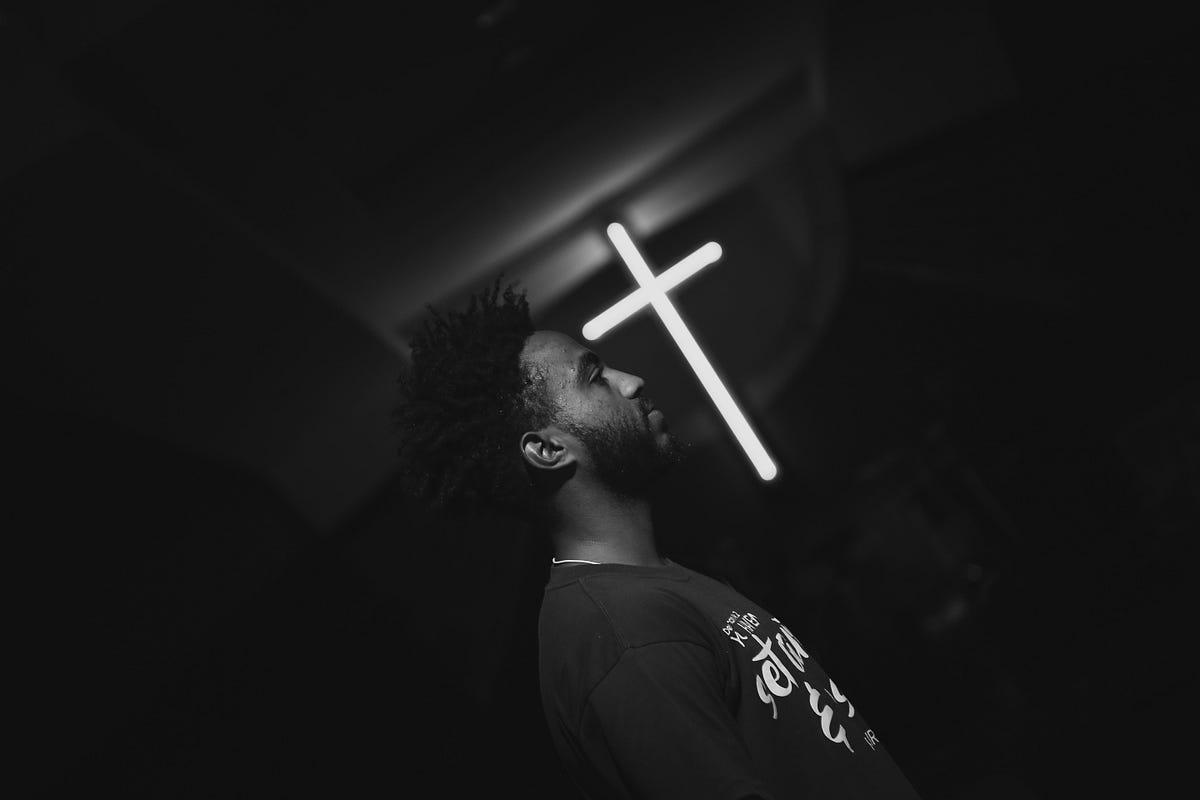
Today our institutions are being attacked. Attacked on all fronts, and on every side. Society is justifying why they exist. Even those in the African American community are sharing their views on it. Someone asked
Why do we still have HBCUs?
Some would go as far as saying
The Black Church and HBCUs don’t have to do anything to offer the Black community.
Those who give such assertions may only look through a vague, looking glass of history. Using the backdrop of information spanning the last twenty-five years and Google. Not understanding the Black Church, and Historically Black Colleges and Universities, also known as HBCUs, are the fabric of African American society. This is what I know about the black church and our beloved HBCUs.

The Opposing Views
Booker T. Washington, an educational leader born into slavery in Franklin County, Virginia, learned about life and freedom with meager resources. After the Civil War, he acquired a job as a coal miner and later attended Hampton Institute, which gave him national notoriety. Washington’s beliefs and passive stance drew influential white supporters like Rockefeller, Carnegie, and President T, as they believed in his vision of gradual accommodation.
Washington stressed physical salvation through hard work, thrift, industry, and self-help, posing no threat to the status quo. He believed that African Americans could properly be part of society by learning a trade or craft. However, W.E.B. Du Bois, in his book “Black Reconstruction in America,” asserted that Black labor was a foundation stone of both the South and North. Du Bois, a Harvard graduate, wanted African Americans to academically compete with whites in the classics and liberal arts, advocating for political involvement to ensure everyone received the benefits of being American citizens.
Du Bois amplified the point of view of The Talented Tenth, the belief that one has to compete and rise to the occasion. Bishop Henry McNeal Turner of the AME Church wanted a quick resolution to discrimination, while Washington believed in gradual accommodation. Turner, like Du Bois, was born a freedman and had a quick and unwavering view of equality.
The Educational Impact
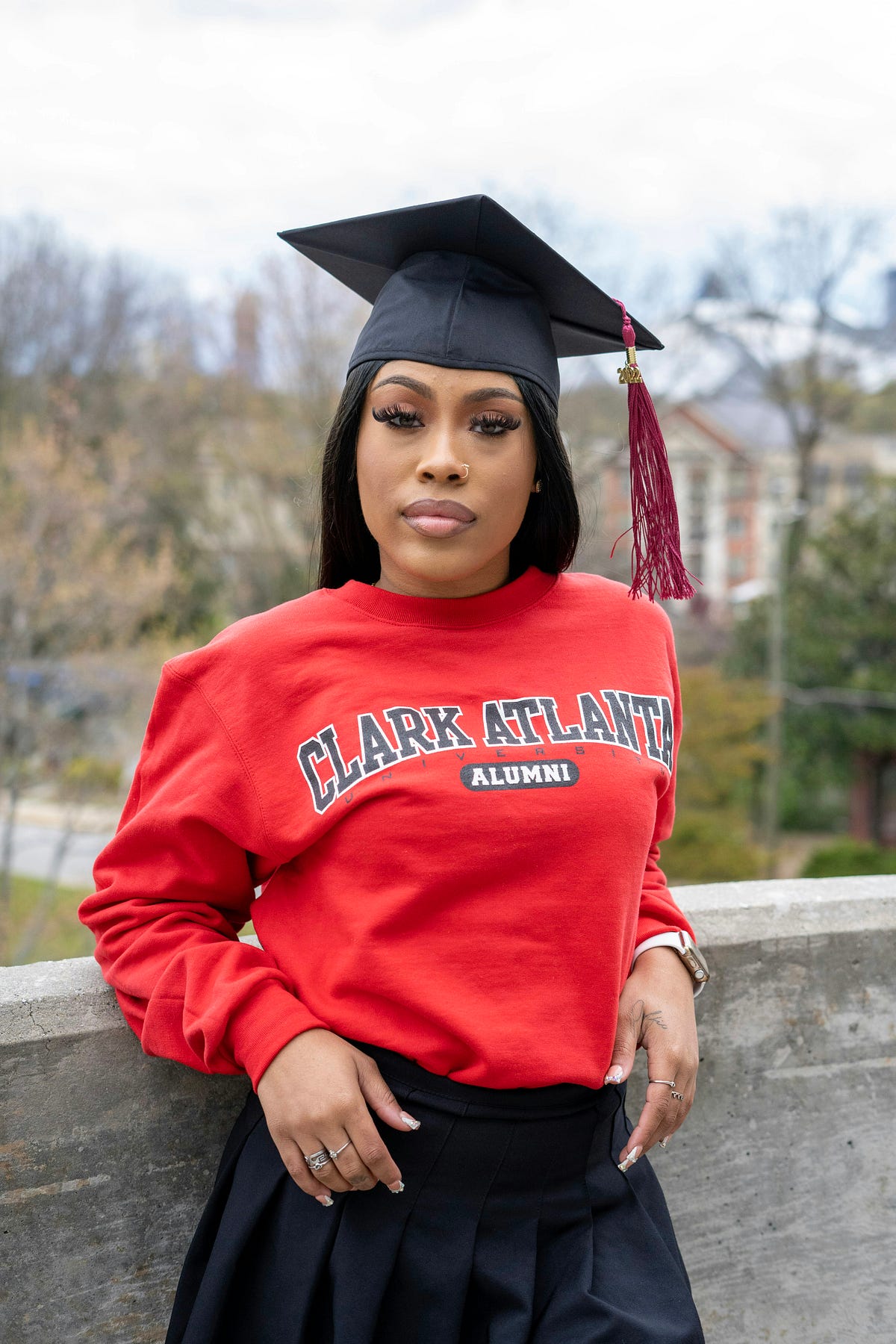
The educational impact of these efforts is significant. In the book “Search for Order in 1877 to 1920,” W.E.B. Du Bois describes a fundamental shift in American values. The primary focus of America after the Civil War was to rebuild the Union. This focus was an attempt to make the Black community engage in agriculture, mechanic arts, or industry. This was designed to encourage everyone in the United States to participate in rebuilding the nation after the Civil War.
There are clauses in the Land Grant Acts. Detailing how these institutions of higher learning can maintain their status. The Morrill Land-Grant Act, and the Freedmen’s Bureau designed to push these efforts. Some asserted this could prove to the majority that the newly emancipated could assimilate into society. Agricultural and Mechanical or A&M schools were established instead of schools of liberal arts and sciences.
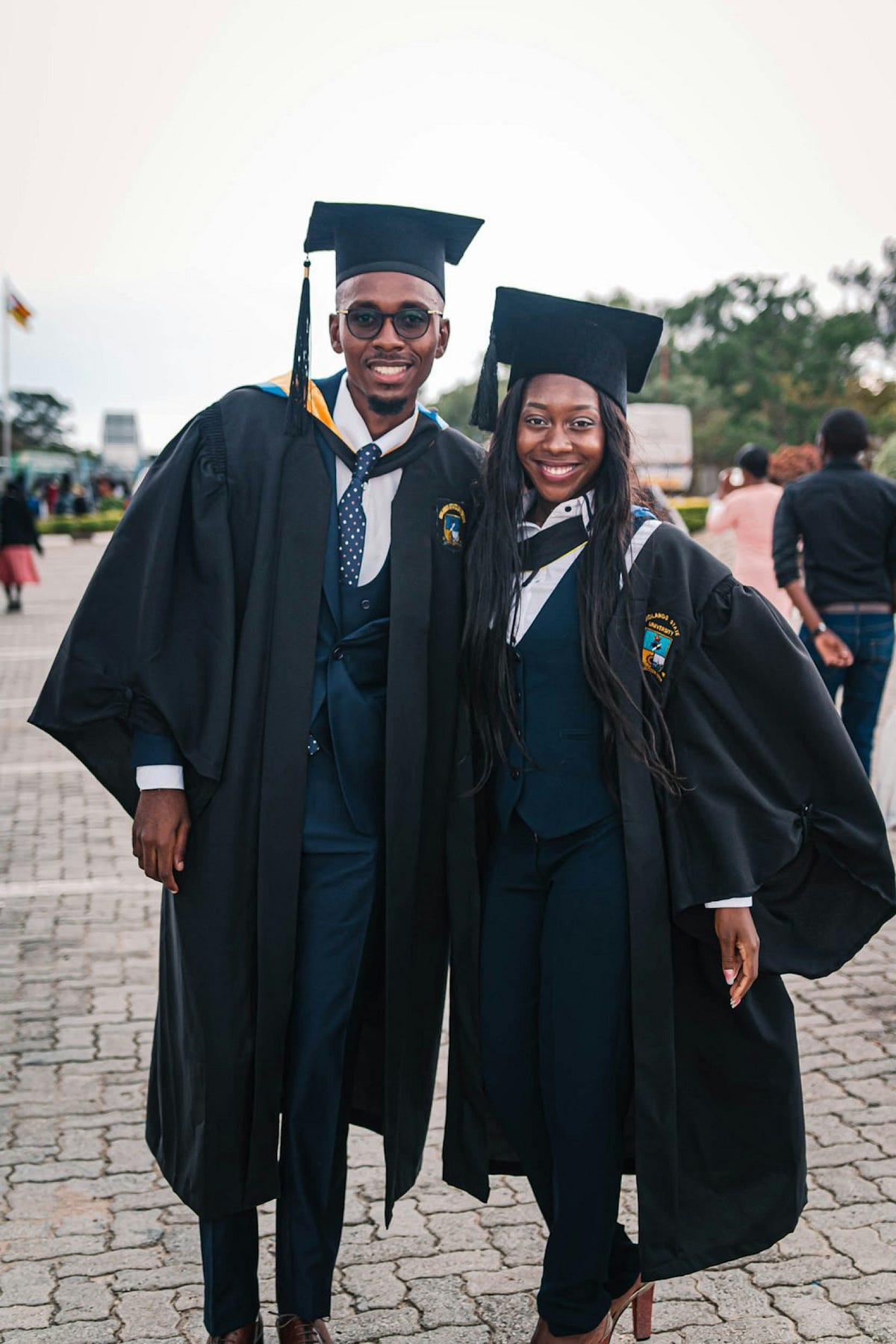
Industrial courses such as printing, blacksmithing, plumbing, and carpentry were added to the curriculum. This was central to the furtherance of the schools and the people they served. Industrial and training schools became a vital part of church education. Offering higher-graded practical education to make life better. The same could be said about the STEM programs of the 21st century. However, time will tell.
In the South and the North, HBCUs stepped in to educate the people, their children, and their children’s children. Thus, the Reconstruction became not only a physical one but a mental reconstruction. Redeveloping the minds of the people to establish communities of their own. Individuals were using legislation such as land grants to build and develop towns. Cities such Freedman Town in Dallas, Stop Six in Ft. Worth, Houston, Richmond, and Black Wall Street in Tulsa, Oklahoma. Black cities were sprouting everywhere as the result of education.
The Rebuttal or Refusal
It’s a party school!
This is what my students tell me. Whenever they try to justify their reasonings as to why they are not attending. My response to them is
Any school that has the designation College or University
And has individuals between the ages of 18 and 25
That is a party school.
I would then tell them
Baylor
UT
SMU
Yale and Harvard are party schools
The issue is we have preconceived notions of ourselves that need to be addressed. (I think the same thing goes for people’s dating preferences, but I digress.)
Talk to you later
Check out these books and gifts on Amazon!
Thanks for reading! As an Amazon Associate I get a small commission for each purchase you make after you click on my link and you shop, but it doesn’t cost you anything extra. Please use my links below!
Under their own vine and fig tree: The African-American church in the South, 1865-1900 [MONTGOMERY, William E.] on…amzn.to
2016 Reprint of 1962 Edition. Full facsimile of the original edition, not reproduced with Optical Recognition Software…amzn.to
Interested in exploring the depths of history, education, or religion through engaging articles? I’d love to contribute my expertise as a freelance writer.
Feel free to reach out at marqdcameron@gmail.com for collaborations or inquiries. Let’s create something impactful together!


No comments:
Post a Comment