Mother Nubia
Over the years we’ve heard a lot, a great deal, on Kemet. Okay, we’ve heard a lot of that. We heard a lot of chatter about Kemet, but what about the people in the South? What about the people further south? Here are a few reasons why it’s time for Nubia’s light to shine.
Diversifying Information
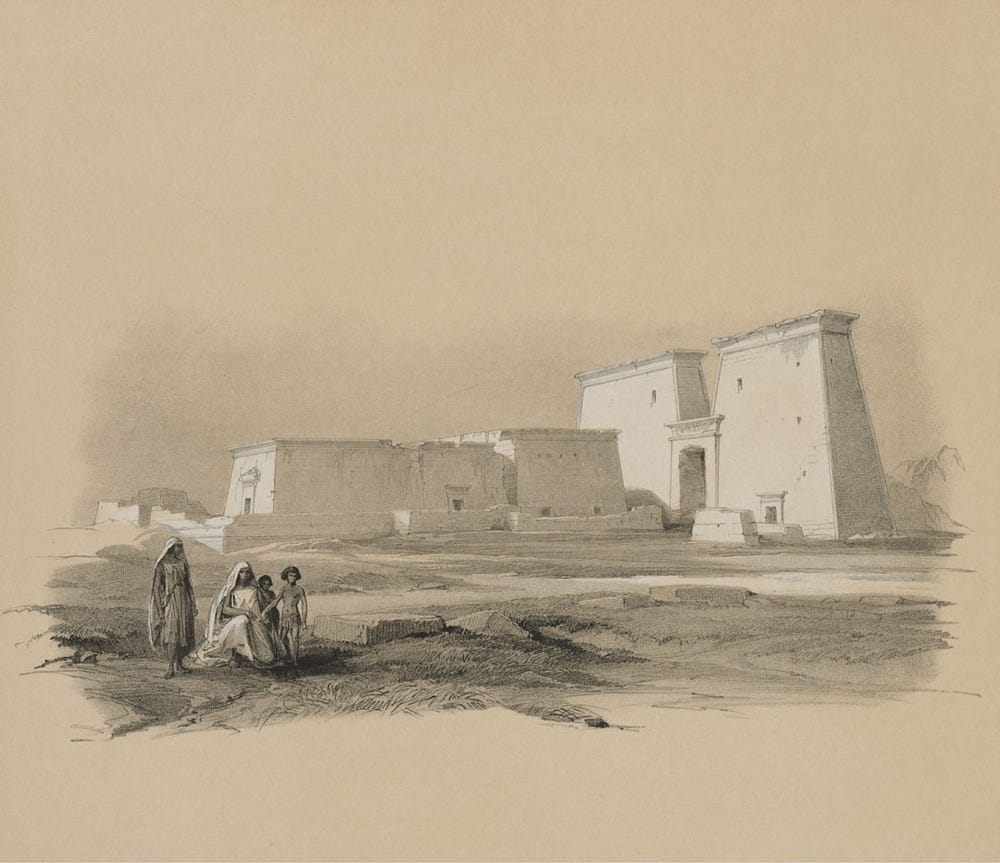
It’s important that we kind of diversify our instruction, you understand? Why should we study Kush? Why should we study Kush over Kemet right now? When it comes to ancient civilizations, of course, Kemet is the crown jewel. Egypt is the one. When it comes down to the pyramids, artifacts, when it comes down to Ramses II, and when it comes down to famous dynasties or goledn ages. However Kush, .is hardly ever mentioned. Even though Egypt is in Africa, Sudan’s neighboring country. There’s a lot of information we do not know about Kush. It’s time to diversify the information
That’s the reason why we need to have Time for Ta-Seti or Nubia. To my understanding, Ta-Seti is a one nome out of the entire Kingdom. So we have to look at Meroe as a state, Ta-Seti as a state, and Nubia as a fully developed empire.

In Kemet, better know as Egypt, we know where Waset is, and is the ancient name for Luxor. Yet there are some things in Kush that we need to look at, like Meroe, Napata, and Kerma. There are still some things that we are to discover. These discoveries offer new opportunities and research and discovery. I know some scholars are going to Ghana, to Nigeria. However, we need some scholars to go into Nubia, into Ethiopia.
Look at those artifacts
Pay attention
Ask critical questions
Listen to the people who live there
Not only go to the museum, ask the local people what’s going on. Use the insight of the Aswan people. We have to challenge that ongoing narrative. The narrative has always downplayed Kush, to preserve and promote Egyptian heritage. Not realizing that Kemet, Kush, and Ethiopia are African nations connected by culture. They all belong to the African people, and the rest of the world. That history needs to be preserved for generations to come.

Diversifying the Language
Because of the Aswan Dam issue in the late 50s. It overshadowed, it covered, and destroyed a lot of artifacts that could have bridged the between Egypt and Sudan. The people in the South are the ones that have the information. Dealing with Nubian, Meroitic hieroglyphics,
It’s the same as Egyptian hieroglyphics.
But it’s not the same.
In the 21st century, we are challenged to break the language down. We need some scholars out there to do the research. It’s true, we spent a lot of time dealing with the hieroglyphics and so on. But Meroe has theirs also.
Recently, some brothers and sisters studied the Congo language and the Swahili language of the south. This allowed them to make some connections with languages in Kemet and Sudan. We need to figure some things out. If that language is intact in Kemet, it should be intact in Nubia. We can check it out, look into it.
Diversifying the Stories
There is oral tradition. Kushite civilization thrived on trade. They lived off interaction with other people. We need to hear about how they did their metalwork. They were the iron smiths. Men who were highly skilled in their craft so renowned and respected. They were sought after all over Africa. Most of them came from Anu, which is in Nubia. John G. Jackson in his book “Introduction to African History” identified them as the
Shemsu Heru or the Followers of Heru or Horus
Legends of the pre-dynastic period
They were the grand architects of their age. The ones who made it
Into an art form,
Into a science,
Ones who passed it down from one generation to another.

When it comes to architecture, their buildings were the same. The way they dressed was the same. Because it was the same culture. It was like when you think about, say, my grandmother went to a church in Arkansas and then my family went to a similar church in Dallas or whatever. The same, but some things were different. At the primary level, the basic level, they were the same. We need to look at those perspectives.
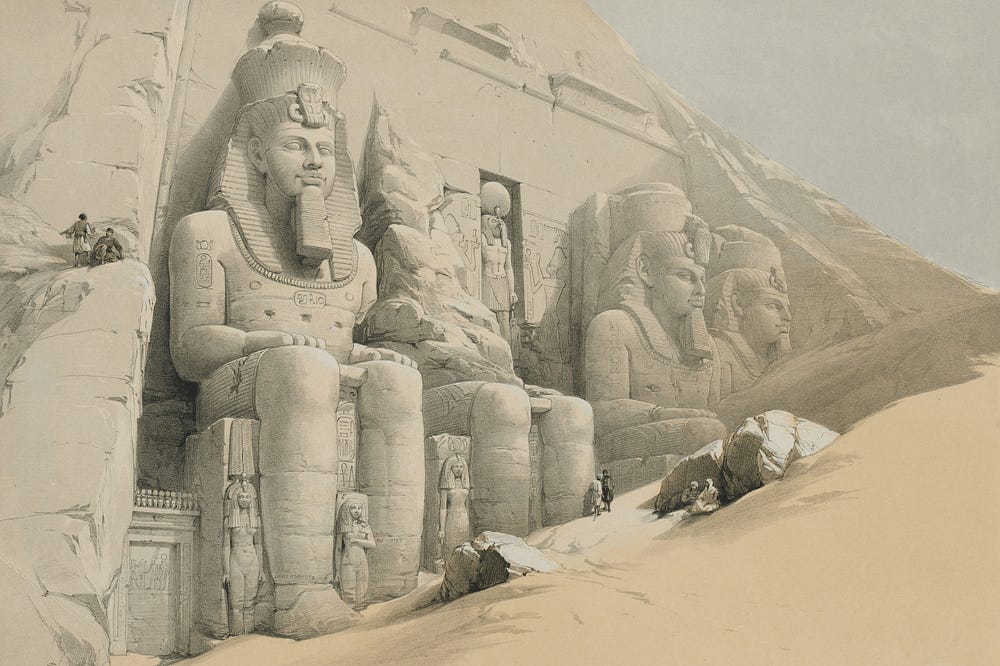
Ta-Seti/ Nubia was the place where kings and queens were recognized as such. You had to be from there to even have a legitimate seat in Kemet. Ramses II, even though he was African, his wife Nefertari was Nubian. This interconnection shows there was a respectful relationship between Egypt and Nubia. There are some archaeological things we need to study, and pay attention to.
Conclusion
Studying the entire Nile River valley would show us unity in diversity. The diversity in the information, the language, and their stories.
Talk to you later
Here’s my History Reading List
Check out these books and gifts on Amazon!
Thanks for reading! As an Amazon Associate I get a small commission for each purchase you make after you click on my link and you shop, but it doesn’t cost you anything extra. Please use my links below!
Introduction to African Civilizations [Jackson, John G., Clarke, John Henrik, Rashidi, Runoko] on Amazon.com. *FREE*…amzn.to
First published in 1926, Drusilla Dunjee Houston (a self-taught historian), describes the origin of civilization and…amzn.to
Ethiopia and the Origin of Civilization [Jackson, John G.] on Amazon.com. *FREE* shipping on qualifying offers…amzn.to
Interested in exploring the depths of history, education, or religion through engaging articles?
I’d love to contribute my expertise as a freelance writer. Feel free to reach out at marqdcameron@gmail.com for collaborations or inquiries. Let’s create something impactful together!